Rita Enemuru, Reporting
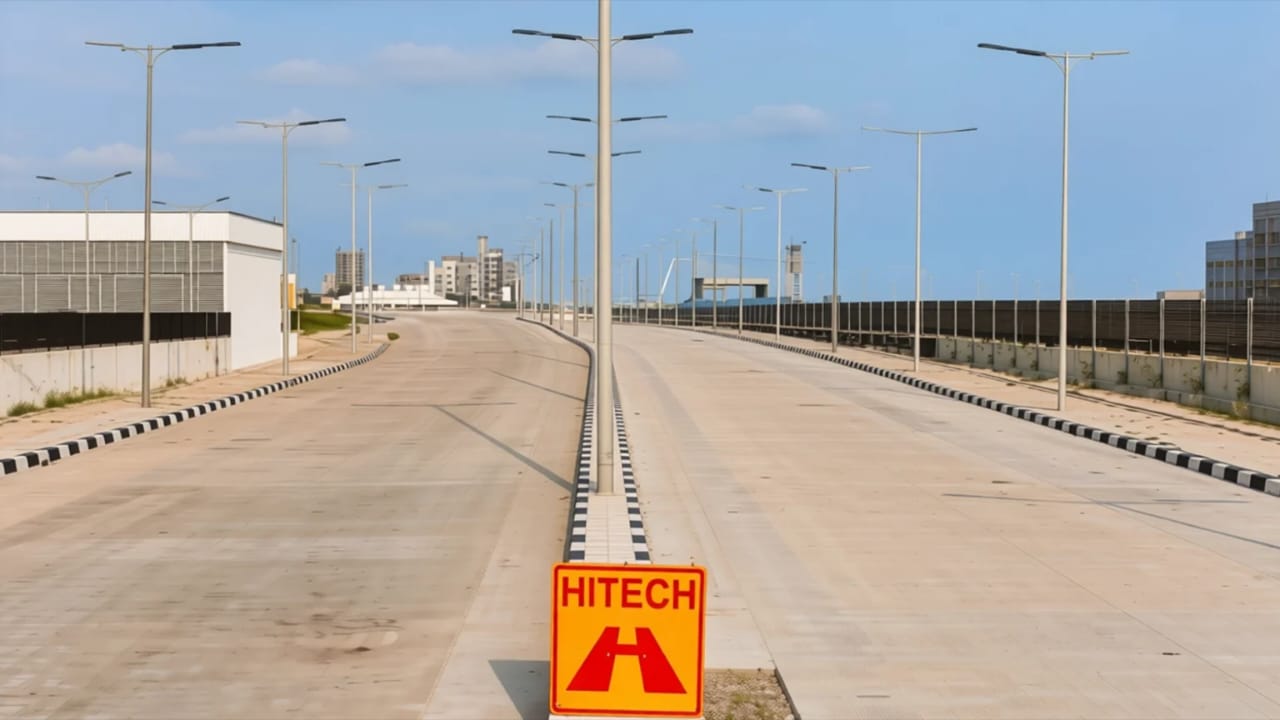
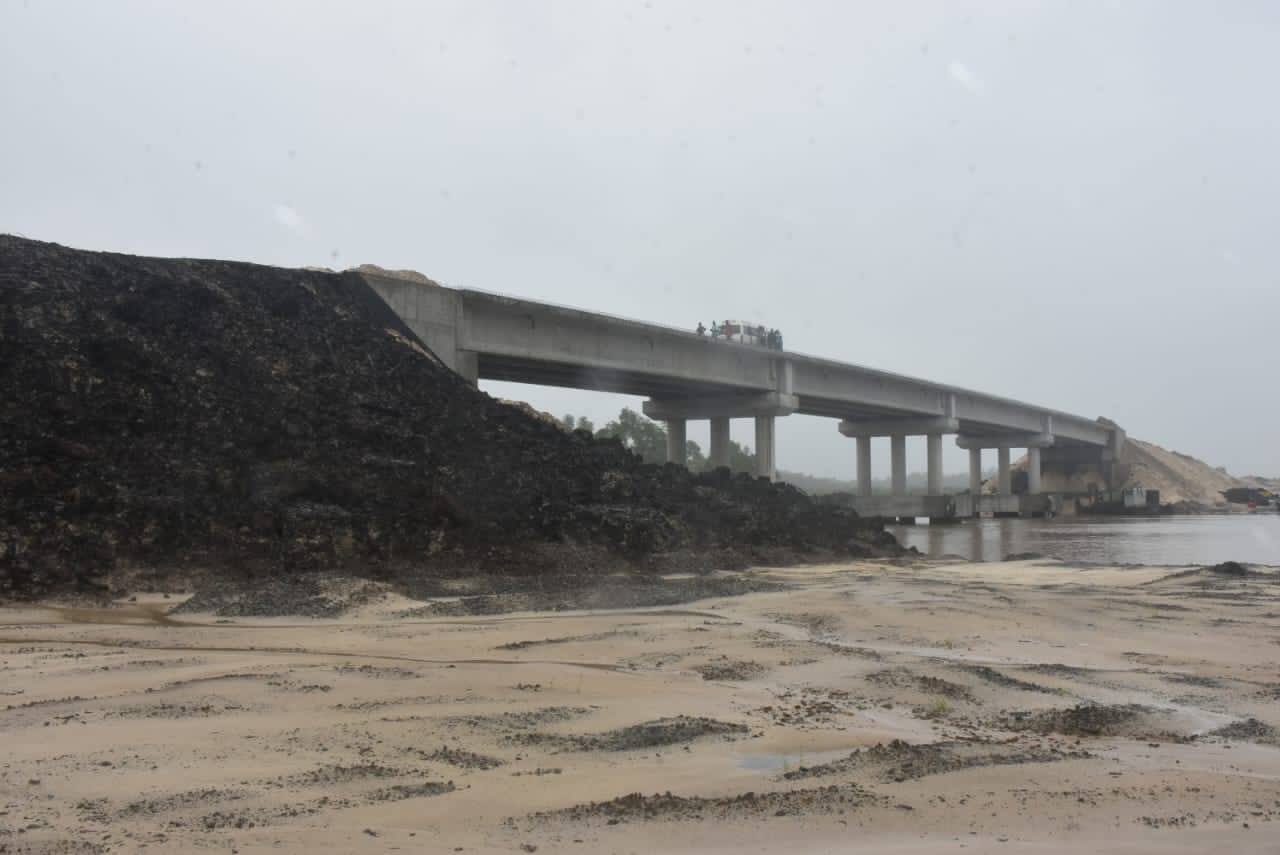
THE Centre for Human Rights and Anti-Corruption Crusade (CHURAC) has opposed the alleged realignment of the Lagos-Calabar Coastal Highway to the existing East-West Road corridor, describing the move as an injustice to oil-producing communities in the Niger Delta.
The organisation urged President Bola Ahmed Tinubu, the Minister of Works, Engr. David Umahi, and the National Assembly to reverse the alleged decision and ensure that the highway follows its original coastal alignment from Lagos to Calabar.
In a press release dated 13 October 2026, the Chairman of CHURAC’s Board of Trustees, Cleric E. Alaowei, Esq., argued that diverting the highway to the East-West Road corridor would undermine the purpose of the project and further marginalise millions of people living in coastal communities.
According to him, the highway was conceived to connect Nigeria’s coastal region and provide road access to communities that have remained disconnected from major transport networks for decades.
Alaowei traced the history of the project to 1955, when Nigeria’s former Minister of Finance, Chief Festus Okotie-Eboh, first introduced the idea of constructing a coastal highway.
He explained that the proposal gained further attention during the administration of former President Olusegun Obasanjo, when a security task force known as the Special Security Committee on Oil Producing Areas recommended the construction of a coastal highway linking Lagos to Calabar in 2001.
The CHURAC chairman also recalled that the project was designed during the administration of former President Umaru Musa Yar’Adua, when a feasibility study was conducted and the contract was awarded to five companies, with the Niger Delta Development Commission (NDDC) assigned a supervisory role.
However, he said the death of Yar’Adua halted the implementation of the project.
Alaowei maintained that the coastal highway remained a critical infrastructure project capable of addressing the longstanding transportation challenges facing communities in the Niger Delta.
He argued that countries with extensive coastlines had demonstrated the feasibility of constructing floating and navigable bridges across the sea, as well as roads through underwater tunnels across rivers.
According to him, Nigeria possesses the financial capacity to undertake similar infrastructure projects where necessary.
He added that investing in the coastal highway would not only improve transportation but also unlock the Niger Delta’s untapped tourism potential, particularly around its harbours and coastal attractions.
Alaowei expressed the belief that completing the highway would position Nigeria to attract more international tourists and expand its participation in the global hospitality industry.
Coastal Communities Remain Inaccessible
The CHURAC chairman said the existing East-West Road did not adequately serve the extensive coastal areas of the South-South region, leaving many communities without reliable road connections to the hinterland.
He specifically identified Ese-Odo and Ilaje Local Government Areas of Ondo State as areas not connected to either the East-West Road or the Lagos-Benin Expressway.
He further stated that nearly half of Delta State’s landmass lies within the coastal region and remains unconnected by road.
Similarly, he said approximately two-thirds of Bayelsa State’s landmass comprises coastal areas, adding that the situation was comparable in Rivers and Akwa Ibom states.
According to him, the existing East-West Road does not provide adequate links between these coastal communities and the hinterland, leaving important economic areas inaccessible by road.
Alaowei said the decision by President Tinubu’s administration to embark on the coastal highway project had therefore raised hopes among residents of the affected communities.
He warned that any move to realign the highway to the existing East-West Road corridor would undermine those expectations and perpetuate decades of neglect.
“To divert it now is to betray that hope,” he said.
The organisation argued that abandoning the original coastal alignment would deny millions of residents access to markets, healthcare facilities and economic opportunities.
It added that such a move would prolong the marginalisation of communities that had awaited the project for more than 70 years since Okotie-Eboh first proposed it.
CHURAC Calls for Reversal
CHURAC appealed to President Tinubu, Umahi and members of the National Assembly to ensure that the highway follows its original route through the coastal communities between Lagos and Calabar.
The organisation maintained that the East-West Road already existed and could be dualised or rehabilitated independently, rather than being used as a substitute for the proposed coastal highway.
According to Alaowei, the two projects serve different purposes and should not be merged into a single infrastructure corridor at the expense of communities that lack road access.
“The East-West Road already exists and can be dualised or rehabilitated. The coastal road is meant to be a new economic corridor for the coastal people,” he said.
He added: “Merging both projects into one is not coastal, it is not fair, and it is not acceptable.”
The organisation called on the Federal Government to use the project as an opportunity to address historical infrastructure deficits in the Niger Delta rather than take decisions that could further disadvantage the region’s coastal population.
“Our people have suffered enough. This is a time to correct historical neglect, not to compound it,” Alaowei said.