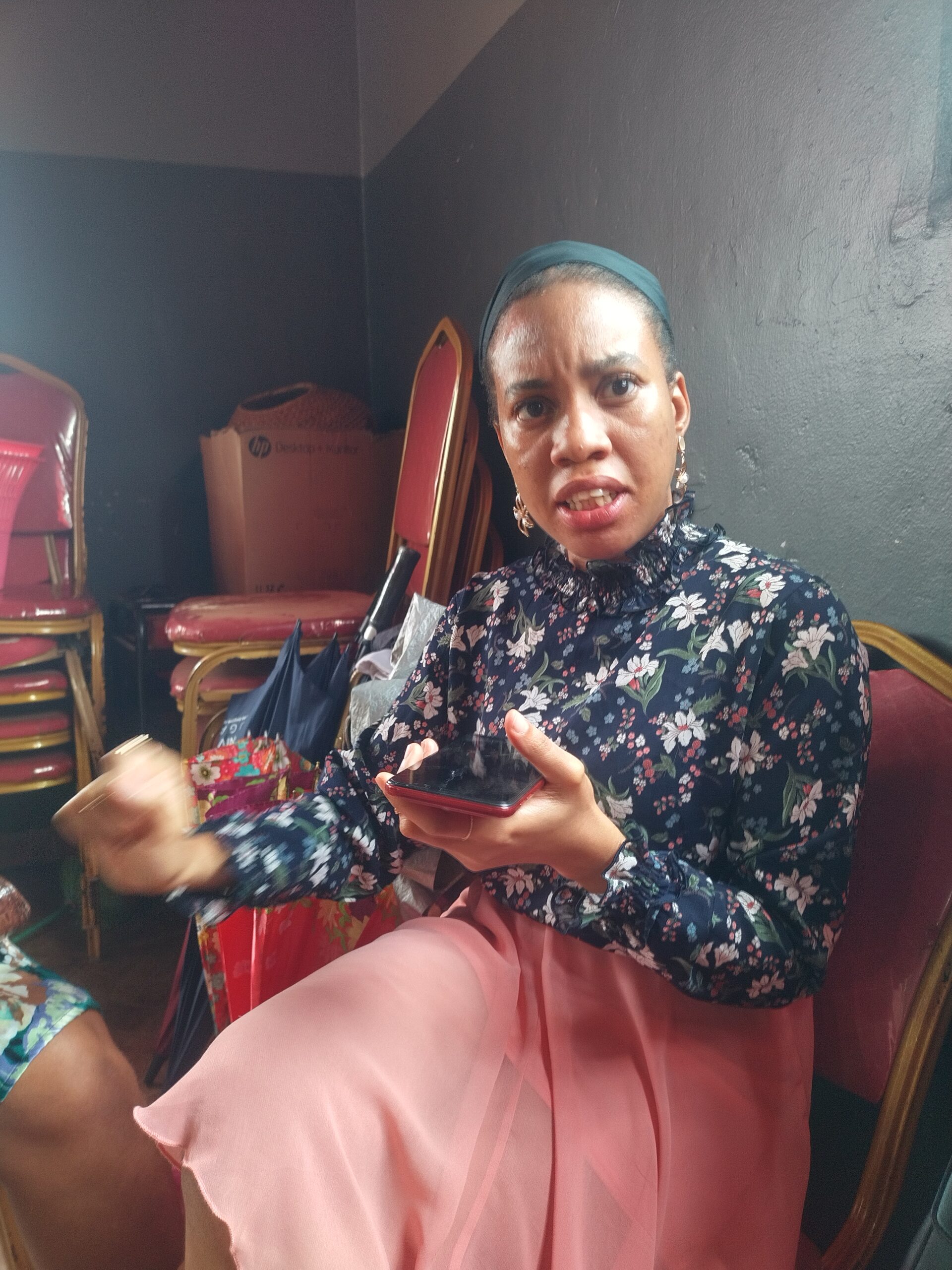
ESTHER Edet, a second-year Public Health student at a private university, Cavendish University, Uganda, with its Main Campus in Kampala, shares her compelling journey from Nigeria to Uganda — a move born out of frustration with endless academic strikes back home. In this candid interview with Stonix News publisher EBENEZER ADUROKIYA, Esther opens up about adapting to a new culture, confronting Nigerian stereotypes in Uganda, the financial weight of being an international student, and her clear-eyed advice to the Nigerian government on fixing its university system.

An Unplanned Move: From Uyo to Kampala
Esther began studying Environmental Biology at the University of Uyo in 2021 but left after an eight-month strike. At her mother’s urging, she processed her passport and moved to Uganda in October 2022 to continue her education — this time in Public Health.
“I’m Esther Edet. My family is based in Nigeria. I’m from Itu, Akwa Ibom State but my family reside in Uyo. I came to Uganda in October 2022.
“I started University of Uyo in 2021 studying Environmental Biology. Then, I was doing sewing so because my UTME course didn’t match the course I wanted to study, I didn’t mind. I was doing it when strike happened and we were at home for eight months. My mum came home and told me that I will continue in Uganda. My mum told me to process my passport and that was how I got here.”

Paying the Price: Private University Realities
Now in her second year at the private Ugandan university, she notes the absence of strikes but highlights the heavy financial burden, especially for international students who face additional fees.
“I’m here now and I’m studying Public Health and currently in my second year. I’m in a private university and they don’t strike in private universities, here, too. Private universities are expensive and international students have additional fees they pay too.”
To Them, Every Nigerian is a Celebrity’: Confronting Stereotypes
Esther reveals how Ugandan perceptions of Nigerians are shaped by movies — from assumptions about skin colour to beliefs that all Nigerians are “fetish” or celebrities. While some encounters are hostile, she also praises the general hospitality and homely nature of Ugandans.
“I think their perception about Nigerians tends from what they see in the movies. They find it hard to believe that there are light skinned people in Nigeria because they believe we are all black. Some of them are hostile.
“They think we are fetish as a result of what they see in the movies. To them, every Nigerian is a celebrity.
“I enjoy their hospitality. They are hospitable in a way. They are homely too. I have Nigerians in my class too. We do online classes sometimes in my school.”
Love, Men, and Cultural Comparisons
Though not currently in a relationship, Esther shares local gossip: Ugandans say Nigerian men spend more on women, while Nigerian men are perceived as less calm and affectionate than Ugandan men.
“I’m not in any relationship now. It’s when I’m ready.
“I hear some Ugandans say that Nigerian men spend more money on their women than Ugandan men do. I have also heard that Ugandan men are calmer and more affectionate than Nigerian men.”
A Message to Nigeria: End Strikes, Ease Screening
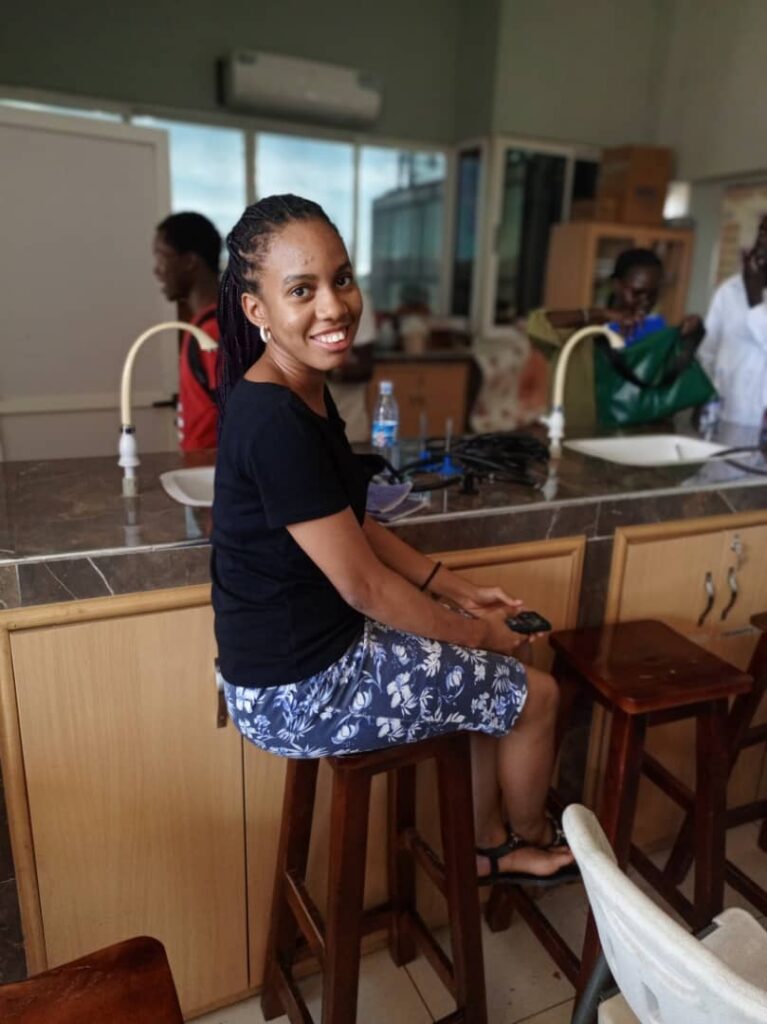
If she could advise the Nigerian government, Esther would urge an end to university strikes, better pay for lecturers, youth empowerment, and a less stressful screening process for university admissions.
“If I have the opportunity to advise Nigerian government, I would say they should work on the incessant strike that public universities embark on. They should increase lecturers and teachers payment and empower the youths.

“The screening process in public universities is too rigorous and stressful and they should make sure to make it stress less for students.”
Eyes on the Prize: No Plans to Return Home Soon
Focused on her studies, Esther hasn’t returned home since arriving in Uganda and doesn’t plan to until she completes her degree — a testament to her determination to build a stable educational future.
“I have not gone back home since I came here and I don’t think I will until I finish.
“I think intelligence depends on the person. I don’t think it’s a case of a location or country.”