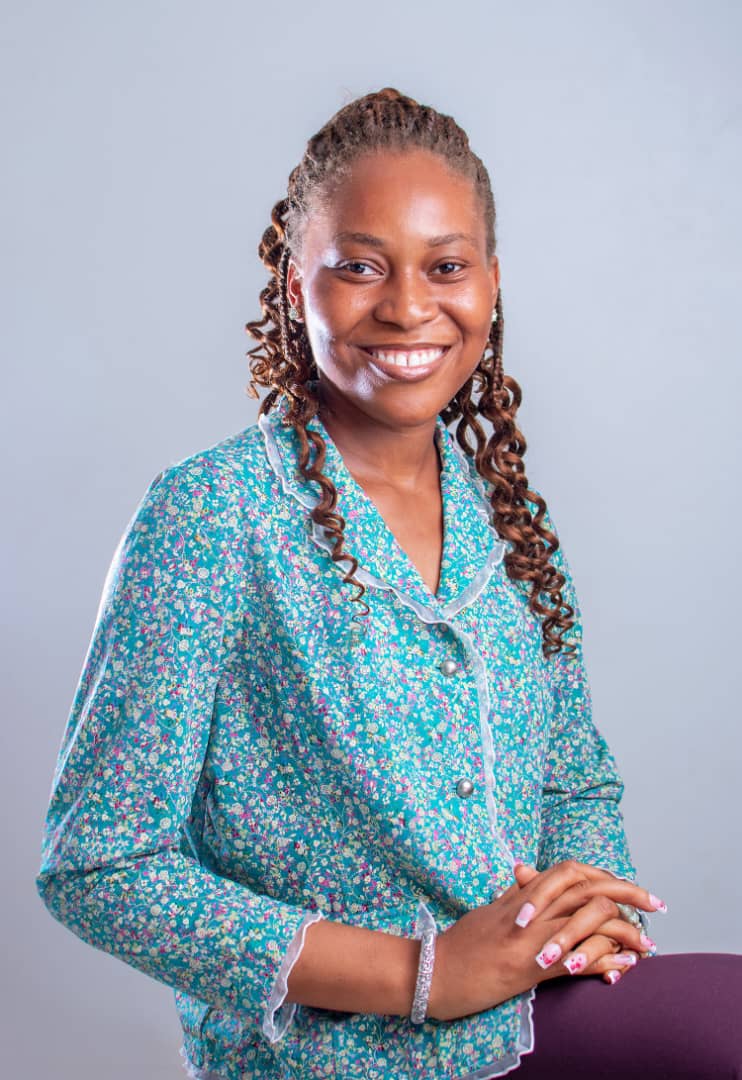
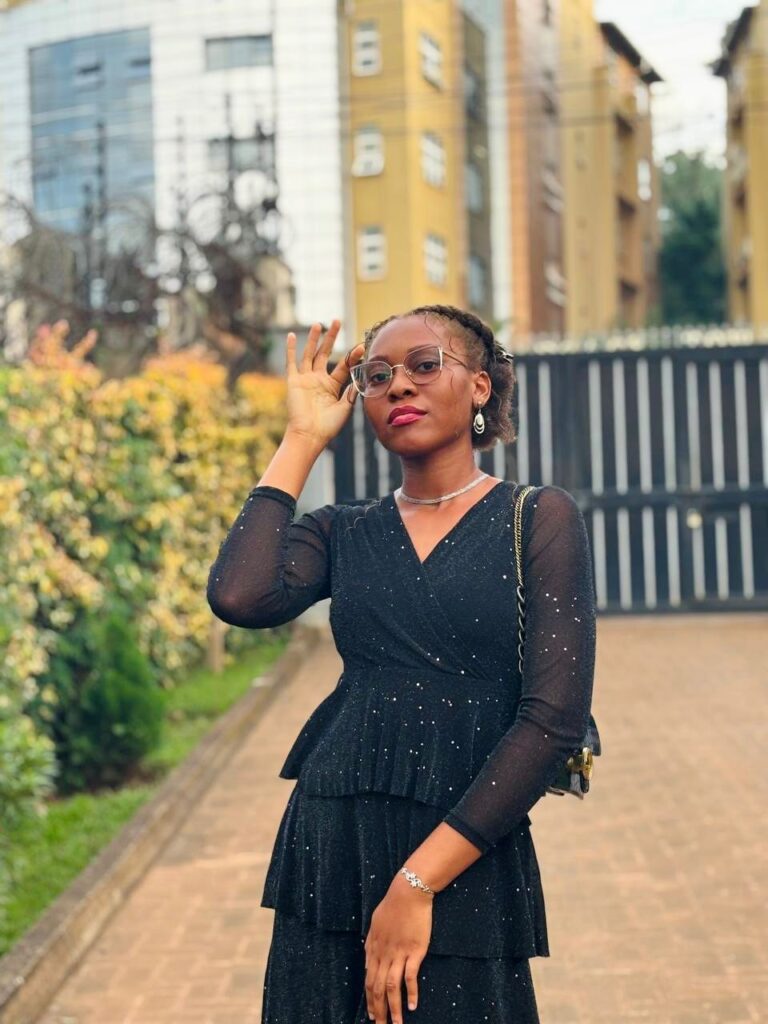
Faithful Ilobun, a 22-year-old fourth-year medical student at Makerere University in Uganda, left Nigeria at 18 to pursue her degree. In this candid interview with Stonix News‘ publisher, EBENEZER ADUROKIYA, who’s currently holidaying in Kampala, Uganda, she discusses her family’s influence on her career choice, the significant academic and cultural adjustments she has faced, and her comparative perspectives on life and education in both countries. Faithful, who hails from Ekpoma in Edo State, shares insights on independence, academic rigour, social dynamics, and the realities of being an international student far from home.
On Background and Choosing Uganda
My name is Faithful Ilobun. I am a fourth-year medical student pursuing a Bachelor of Medicine and Surgery at Makerere University in Uganda. My family is based in Nigeria.
I decided to study here because of the university’s ranking on various websites. Based on our research, we chose to come here for this course. It is also easier to graduate faster here than back home, as there are no prolonged strikes in the public universities. The first strike I experienced was in my third year, and it lasted just a week—it was even called off before the week elapsed.
My coming here was not because I failed the UTME in Nigeria. I had very good grades—294 and 296 the two times I wrote the exams—but I was not offered Medicine. I was offered other courses like Nursing instead.
On Choosing Medicine: A Family Decision
I decided to do Medicine because it was a family decision. You know how it is in secondary school; everybody tells you what to do and what not to do. My sister did Law, and she chose her course. Initially, they wanted her to do Medicine, but she decided on Law.
I would say my parents’ choice for me to study Medicine did not go down well with me, initially. It is a course you can grow to hate if you lack the passion for it—you might resent the lecturers and even the patients because your heart is not in it. I was young when it was chosen for me. I thought I wanted to do Engineering, but I believe I said that because it was the only thing I knew aside from Medicine. I knew I loved science subjects; they came easily to me. As a young person, I thought because I liked Maths, Chemistry, and Physics, I would be good at Engineering.
ALSO READ: https://stonixnews.com/between-the-pearl-and-the-giant-of-africa-a-reporters-diary-1
If I were to go back now, I think I would first take time away from school to understand what I truly want to do before going to university.
On Academic Performance and Adjustment
If you ask me if I am doing well in the course now, the answer would be yes and no.
No, because I found it really difficult personally. In the schools I attended previously (in Nigeria), the lecturers were more involved. It was not just about going to read and then write exams. But over here, you are completely on your own. Coming from a system where I was not very independent, it took me a while to adjust. Here, you are taught to be strong and independent.
Before I came, I attended Bayelsa Medical University for one year. I did not experience that level of independence there. I know learning is independent, but in Nigeria, there was still a level of lecturer involvement. I think it is because Makerere is a research university; they kind of focus more on graduate students.
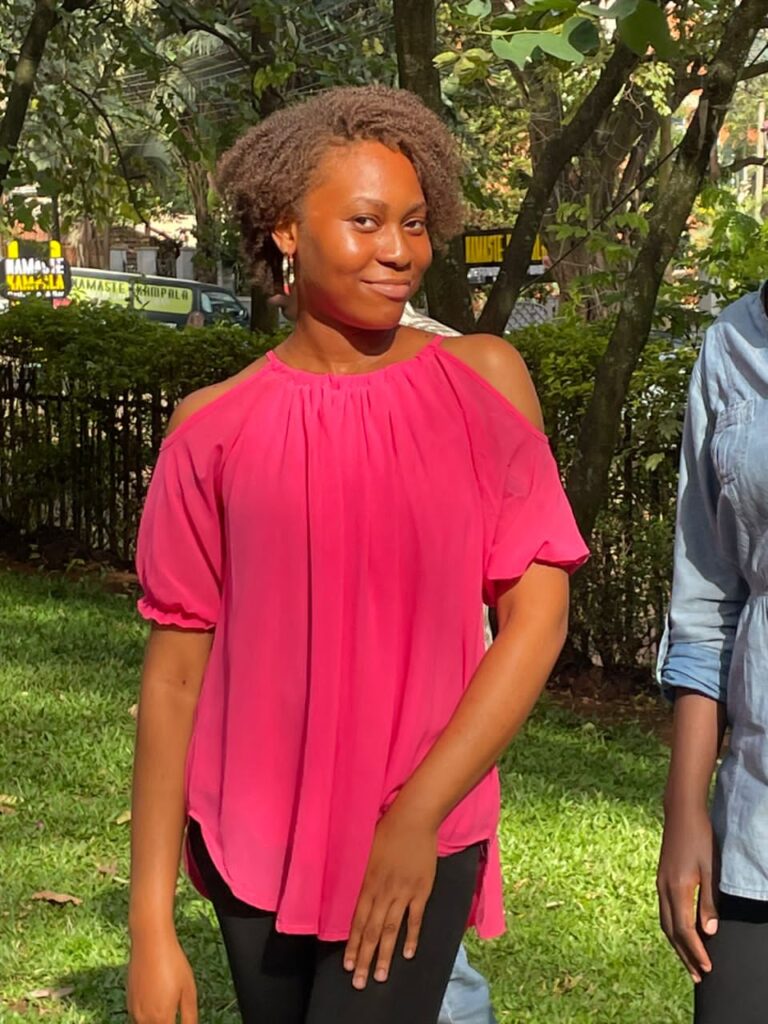
Also, yes, I am doing better because I have come to understand how the system works. I do not need to wait for someone to tell me what to do; I have to do it myself. It has become somewhat easier because here you are also taught to rely on other people. Back home, you can take your notes and do your work solo. But over here, you have to relate with another person to understand things. So, if a Nigerian comes here with a solo mentality, it will be hard. They have to learn to collaborate.
On Lecturer-Student Dynamics
I would say lecturers allow students to evaluate them. In my school, when I entered third year, we started evaluating lecturers on the university portal. You have to do it.
Regarding lecturer-student relationships, the school I went to back home was new, so students could relate easily with their lecturers. That is not really the case here. If you miss an assignment and want to submit it late, you must beg for it to be accepted. So, I try as much as possible not to miss assignments to avoid that situation.
Personally, I have not experienced ‘sex for grades,’ but I hear people say it happens. I do not know anyone it has happened to.
As to whether the lecturers are sadistic, I think I would say they are just busy. They have a lot on their plates. I also think they get so busy because they teach at a lot of universities here. You will see one lecturer teaching at three other private universities. So, I think their workload makes them seem sadistic, but I do not believe they are; I just think they are extremely busy.
On Comparing Academic Standards
To compare the standards, I think it is dependent on individua’s expectations. If one does not want the hustle and bustle, they would choose to go to a university in Nigeria or come to an easier university here rather than a public university in Uganda. So, I think it depends on the person.
In terms of rigour, I think it is more rigorous here because the exams are very hard. There was an exam I did where the highest score was 64, and 50 is the pass mark. It has taught me that failure is not the end. You fail, you learn your lesson, resit, and move on.
On the Structure of Medical Training
The way Medicine works here, in terms of theory and practicality, is that the first two years are spent learning theory. The third, fourth, and fifth years are for practicals. For the first two years, it feels very theoretical because you will not understand some of what you are reading. But when you get to the third year, it becomes easier to relate to everything you have been learning. So, if someone does not have the determination or patience to read and understand, it will be very difficult to adjust in the following years. In the third year, you have no restrictions on the number of patients you can attend to. We work with the government hospitals.
I am not the only Nigerian in my class. We are two.
On Finances and Accommodation
Before we came here, we calculated our fees, and it was very affordable because the Naira was strong then. Currently, with how bad the Naira exchange rate is, it has become expensive. It is almost as if you are paying private university fees in Nigeria. What I pay in a semester is about two million naira. It is not the same for every course, though. We pay in Ugandan shillings.

Off-campus apartments are okay, but there have been incidents of breaking and entering. It depends on the hostel; some can be very strict with rent, while others are lenient.
Accommodation here is very expensive. I pay rent every four months. I stay alone, so I pay 1.6 million Ugandan shillings, which is about N750,000 for four months. When I was sharing, I used to pay about one million Ugandan shillings (roughly N450,000), which is the average for a self-contained apartment.
On Cultural and Social Life
I think Ugandans are very different from Nigerians. They are calm people and, I think, welcoming most of the time. They tend to trust their own people more. They would say they like foreigners, but I think they just enjoy talking to foreigners. It is hard for them to bring foreigners into their clique. Someone once asked me how it feels to be in a country with Davido. I told her I did not know. So, when a Ugandan approaches me, I keep an open mind because they might just be seeking information.
I find the weather here very cool and relaxing compared to the hot weather in Nigeria.
I would say there is a hustle culture here, but it is not as intense as in Nigeria. Over here, people often do business as a leisure activity, not solely because they are desperate for money.
On Infrastructure and Daily Life
One of the striking differences between Nigeria and Uganda is the constant supply of electricity. Electricity is stable here unless there is a fault in your area or you do not pay your bills. It is normal to have electricity here. There are also very few power-generating sets. Where I stay, they provide water for us.
There is a steady internet connection. Around where I stay in Kampala, the network is very stable.
For transportation, motorcycles work very well here, so we mostly use them because they are faster. They are called boda-bodas here. The rate of motorcycle accidents here is not as high as in Nigeria, and most people involved in accidents survive. I think because the poverty rate is high, people rely on them heavily.
On Arrival and Initial Impressions
I came to Uganda in March 2021. I was about 18 years old. I came with someone who was also coming to school here. I was young, so I had no fear. I had nothing holding me back. I did not know what the future held and had nothing to be afraid of. The joy of coming to study was what excited me.
A part of it was being in a different country, but the most exciting part was my love for studying. I was also excited about meeting other international students.
On Challenges and Dislikes
I dislike the fact that there is a form of segregation. Some people only talk to you when they want information from you.

Regarding food, I have not been able to adapt to Ugandan cuisine. It is very different from the food back home. There are different kinds, but I have tried them and do not like how they taste. Their Matoke tastes like eba that has been soaked in water, in my opinion. Their food is mostly bland, with fewer spices. I buy what is available and cook it to my taste. For example, I buy the ingredients used for Matoke and cook it like plantain porridge. I buy sweet potatoes and pair them with stew. I cook rice once in a while, too.
On Family, Friends, and Academic Policy
My parents visit sometimes. My friends are Ugandans, Nigerians, and Cameroonians.
They have a policy here that if you have five retakes, you cannot proceed. You must resit them before you continue.
Comparative Reflections and the Future
If I were to compare Nigeria and Uganda, I think I actually like Uganda. It is peaceful and easygoing—not chaotic like Nigeria.
I could marry a Ugandan if our values are aligned and if I can adapt. I was a member of the Redeemed Christian Church of God before I came. When I arrived, the first church I attended was Watoto Church.
Advice for the Nigerian Government
I think the Nigerian government can do better in job creation. School should not be so difficult; the admission process should not be such an ordeal. I knew someone who scored over 300 in JAMB but could not get a Medicine admission because she did not pay some money. They should work on easing the admission process for students. To get admission here is not that hard; it is not a ‘do or die’ affair that you must go to church and pray for.
Also, they should create more jobs so that people who finish school will have something to fall back on, so it does not seem like they wasted their time.
The reason people are leaving Nigeria is that they feel they are not getting quality education, meanwhile, we have the capacity. The government should put structures in place to make education better. I do not know why that is so difficult for them. I would implore them to work at public universities so they can be considered before private ones.