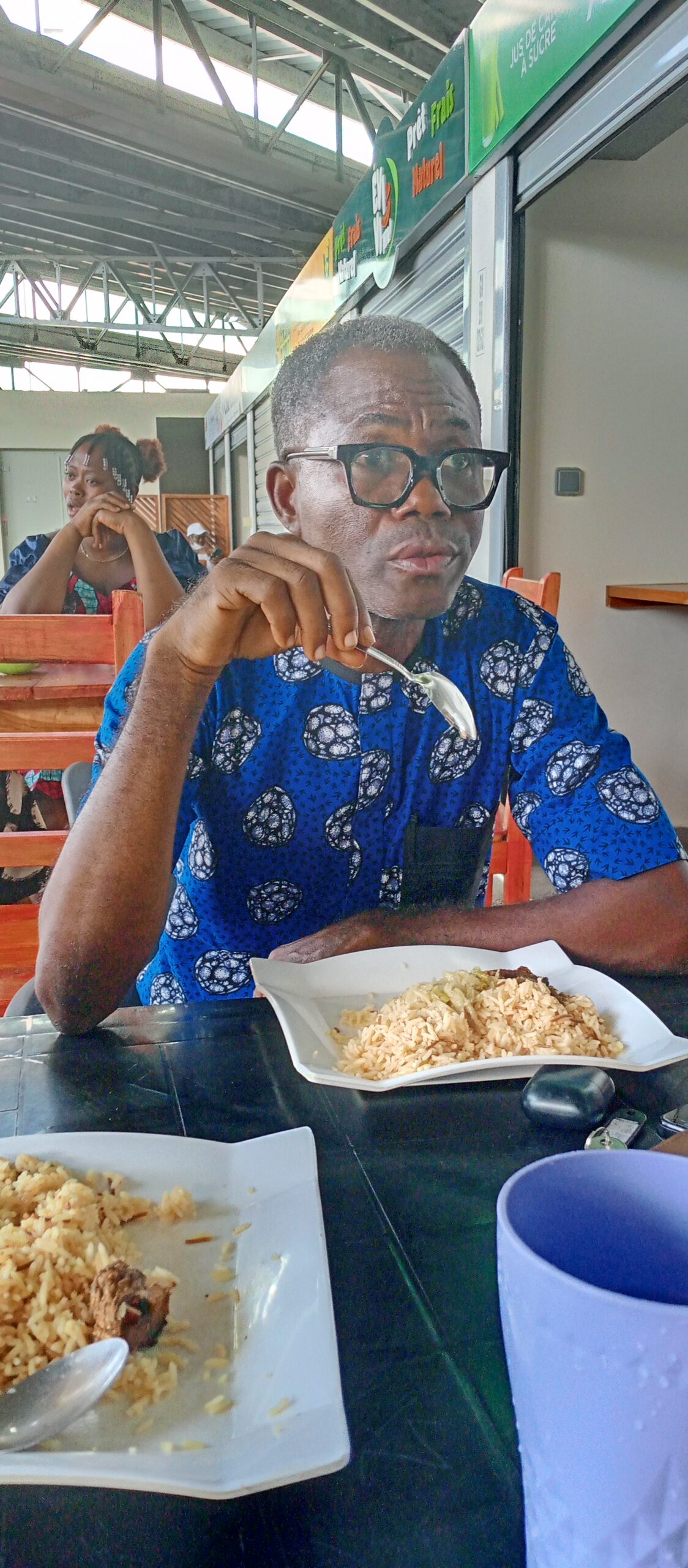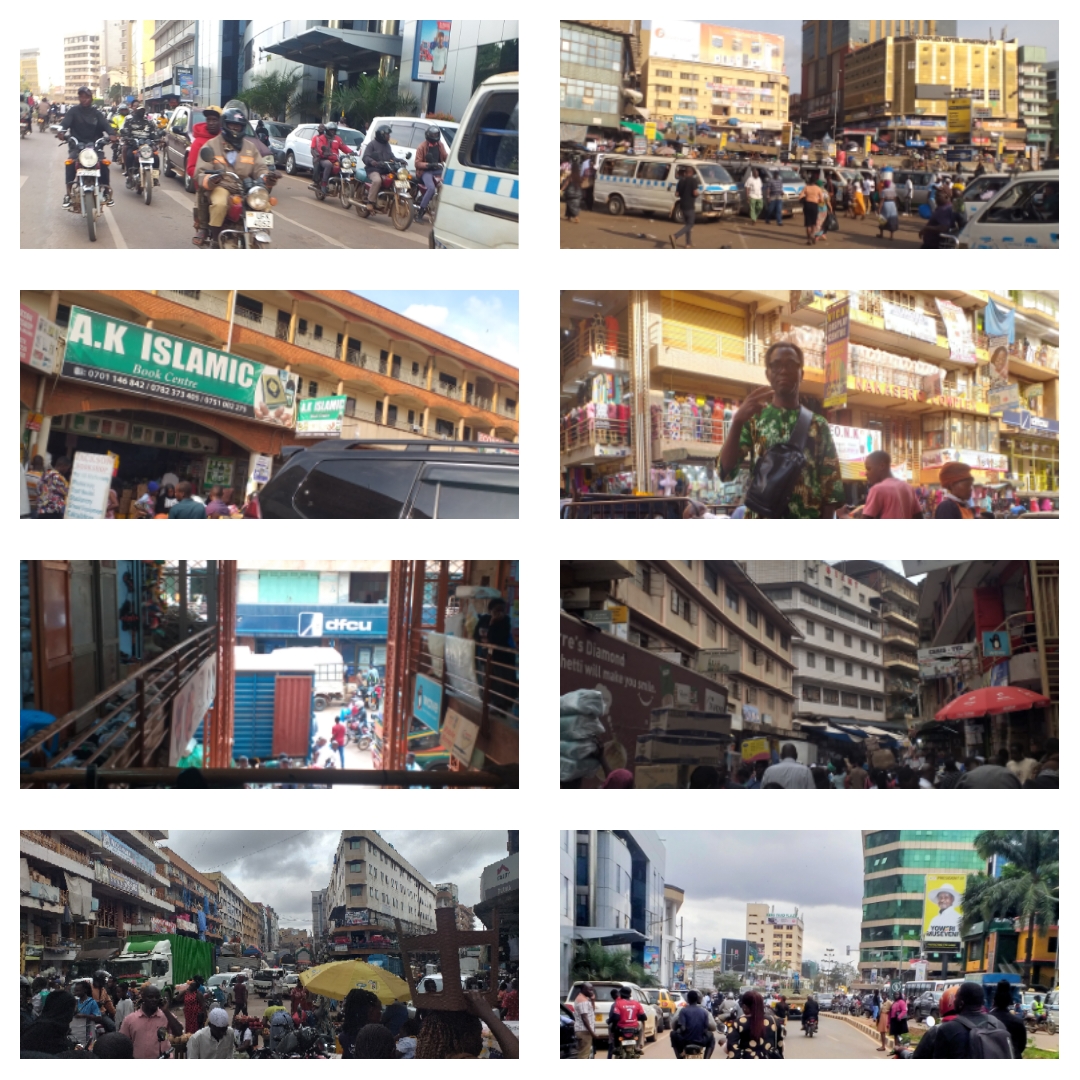

IN this interview with Stonix News Publisher/Editor-In-Chief, EBENEZER ADUROKIYA, 24-year-old Nigerian student John Oluwaseyi Ayodele shares his experience of relocating to Uganda in 2017 to pursue his education. Originally from Ikere-Ekiti, he moved to join his parents, who were already serving as missionaries. He explains the differences between the Nigerian and Ugandan education systems, noting that he had to resit O-level examinations before progressing to A-level and eventually choosing Cyber Security over Law due to his passion for technology. John describes Uganda’s education system as less competitive than Nigeria’s but practically oriented and supportive, particularly in areas such as academic reviews and online learning. However, he recounts early challenges adapting to the colder climate and unfamiliar food. Over time, he adjusted and integrated into Ugandan society. Discussing career prospects, he highlights the growing importance of cyber security, especially cloud security, and expresses his ambition to secure businesses digitally. He observes that while Ugandans are intelligent and welcoming, issues such as limited execution, youth unemployment and long working hours affect the country’s workforce. Although he appreciates Uganda’s hospitality and opportunities, John cautions Nigerians against relocating without a clear purpose or financial preparedness, noting that the cost of living can be high. Overall, his reflections present Uganda as a country of opportunity, but one that requires planning, adaptability and clear goals for success.
Why Did You Choose to Study in Uganda?
John explained that his relocation was primarily for educational reasons, influenced by his parents’ presence and their confidence in Uganda’s academic standards.
“I came here because of school, and my parents are here as missionaries under the Redeemed Christian Church of God (RCCG). My parents came before me. They had been here for some time. They heard that the standard of education is good and thought it would be beneficial for me to come.”
How Different Is the Educational System?
John noted clear structural differences between Nigeria’s and Uganda’s education systems. He had to adjust and resit examinations before progressing.
“It’s a little bit different from our educational system. O-level here is like six years of high school study in Nigeria. So I had to resit their O-level exams because they can be quite challenging. I focused so that I could proceed to A-level. After that, I did A-level for two years, then decided on the course I wanted to study. My subject combination was originally for Law, but I love tech, so I chose Cyber Security. The subject requirements include Mathematics, and admission is not as competitive as it is in Nigeria. Once you have the required points to enter university, it’s not difficult.”
He is currently in his final year at the University of International Business and Technology in Kampala, an institution owned by Indian proprietors.

How Would You Rate the Quality of Education?
John praised the institution’s practical orientation and flexibility.
“Apart from the theoretical aspect, they are well equipped practically, so you have everything needed to practise. There are laboratories and adequate systems. They also have systems in place for reviewing scripts when students feel they have been under-marked. It is very easy to initiate a review. We also have online students who can join from any part of the world. The university is accredited. I am in Level Three, which is my final year.”
What Were Your Initial Challenges in Uganda?
The early weeks were particularly difficult due to climate and food differences.
“The first few weeks after I arrived were extremely challenging. I didn’t attend high school in Kampala; I studied in Western Uganda. The weather there is very cold, and it remains that way for most of the year. You can’t even touch cold water.”

On food adaptation:
“Apart from that, the food was another challenge. I have always been selective about food, even before I left home, so it took me time to adjust. Now, I can eat matoke. It is made from a special type of banana that we don’t have in Nigeria. Matoke is a staple food in Uganda. They also have posho, which is similar to tuwo.”
Why Cyber Security and What Does It Entail?
John clarified that cyber security is broader than hacking and increasingly relevant in today’s digital economy.
“Cyber security is broad. Most people think it is just about hacking, but that is not all it involves. It goes beyond that. Many businesses now operate in the cloud because physical infrastructure is expensive and requires manpower to maintain. As more businesses migrate to the cloud, they become exposed to certain risks. As beneficial as the internet is, it is also dangerous. There are people whose job is to disrupt systems. I am particularly interested in cloud security. I want to lead a team that secures businesses online and ensures that, even if something happens, operations can continue.”
How Do You Compare Ugandans and Nigerians?
John believes both countries have intelligent citizens but differ in execution and opportunity structures.
“To me, people in Uganda are intelligent, but they are not always confident enough to believe they can achieve certain things. They can be innovative, but execution is often the issue. In Nigeria, we also have intelligent people, but many are ready to implement ideas. The challenge is that those in power sometimes limit opportunities for others.”
On entertainment and industry:
“In music and film, you notice that Ugandans often talk about Nigerians. They wonder how we do it and why Ugandans consume more Nigerian content than their own. Some key figures in the music industry limit opportunities for young people. That is partly why youth unemployment is high. Many young people are not considered employable, and that is why companies sometimes bring in workers from Nigeria, India and China.”

What Is the Work Culture Like?
He observed that Ugandans tend to work longer hours compared to Nigerians.
“From what I have seen, Ugandans tend to overwork. In Nigeria, you typically have 9–5 jobs, but in Uganda you can see people working 9–8, even on weekends. Many are exhausted. If you attend church during the week, you will barely find people because they are still at work. You might think the roads would be free by 9:00 p.m., but that is when people are just returning home.”
What Do You Like About Uganda?
Despite his cautions, John appreciates the welcoming environment and opportunities.
“I like Uganda because the people are welcoming. You feel at home even if you don’t speak the language. There are many opportunities because there are areas where knowledge and skills are still developing. If you are talented and skilled, you can stand out and be valued. If you tell people you’re Nigerian, they respect you because they believe Nigerians are smart. They respect foreigners.”
What Negative Stereotypes Exist About Nigerians?
John acknowledged certain unfavourable perceptions.
“There are negative opinions about Nigerians, especially regarding scamming. Some also believe we practise witchcraft because of what they see in films. They assume that if you are Nigerian, your family practises witchcraft. Some think Nigerian pastors come here to scam people.”
ALSO READ: https://stonixnews.com/rescue-mission-turns-deadly-as-mob-attacks-frsc-base-on-benin-lagos-highway/
Would You Advise Nigerians to Relocate to Uganda?
John urged caution and proper planning.
“I would only advise Nigerians to come here if they have a clear purpose. If you just arrive without a plan, you may end up disappointed. Uganda is expensive to live in. It is easy to make money, but it is also easy to spend it. Transport, food and housing are costly. You should not relocate simply because you are looking for a job.”
What Are Your Career Plans?
He intends to build networks and establish himself locally rather than immediately return to Nigeria.
“As a student here, I am not planning to return to Nigeria immediately to look for work. I am trying to connect with people and build something for myself. By the time I graduate, I hope to have contacts I can reach out to for internships and professional opportunities.”
Have You Experienced Student Unrest?
“Students go on strike here, and there can be chaos and riots. The first time I experienced it, it was very frightening. Now I know how to stay safe.”
How Has Uganda Influenced You Personally and Spiritually?
John maintains balanced social interactions and credits his faith background for personal development.
“I have Ugandan friends who have had a positive influence on me. I am not antisocial, but I am not overly social either.”
On church involvement:
“I have been in the Redeemed Church since I was young. It has shaped my spiritual life. When I first came here, I joined the choir and played the drums. Later, I realised the media department needed more people, so I decided to serve there instead.”
How Do Ugandans Approach Culture and Religion?
“Ugandans want you to respect their culture. They prefer that there are no contradictions in belief or practice. There are certain adjustments they expect churches to make in Uganda. They prefer to move at their own pace.”
Final Reflection
John’s experience presents a nuanced picture of Uganda — welcoming and filled with opportunity, yet expensive and demanding. His message is clear: relocation without purpose or preparation may lead to disappointment. Nigerians considering a move to Uganda must carefully weigh both the opportunities and the realities before making the decision.
Follow Stonix News
Stay updated with our latest news and updates:
📢 WhatsApp Channel:
Join our WhatsApp Channel
📘 Facebook:
Follow us on Facebook
🎵 TikTok:
Follow us on TikTok
▶️ YouTube:
Subscribe to our YouTube Channel