Ebenezer Adurokiya, Reporting From Kampala
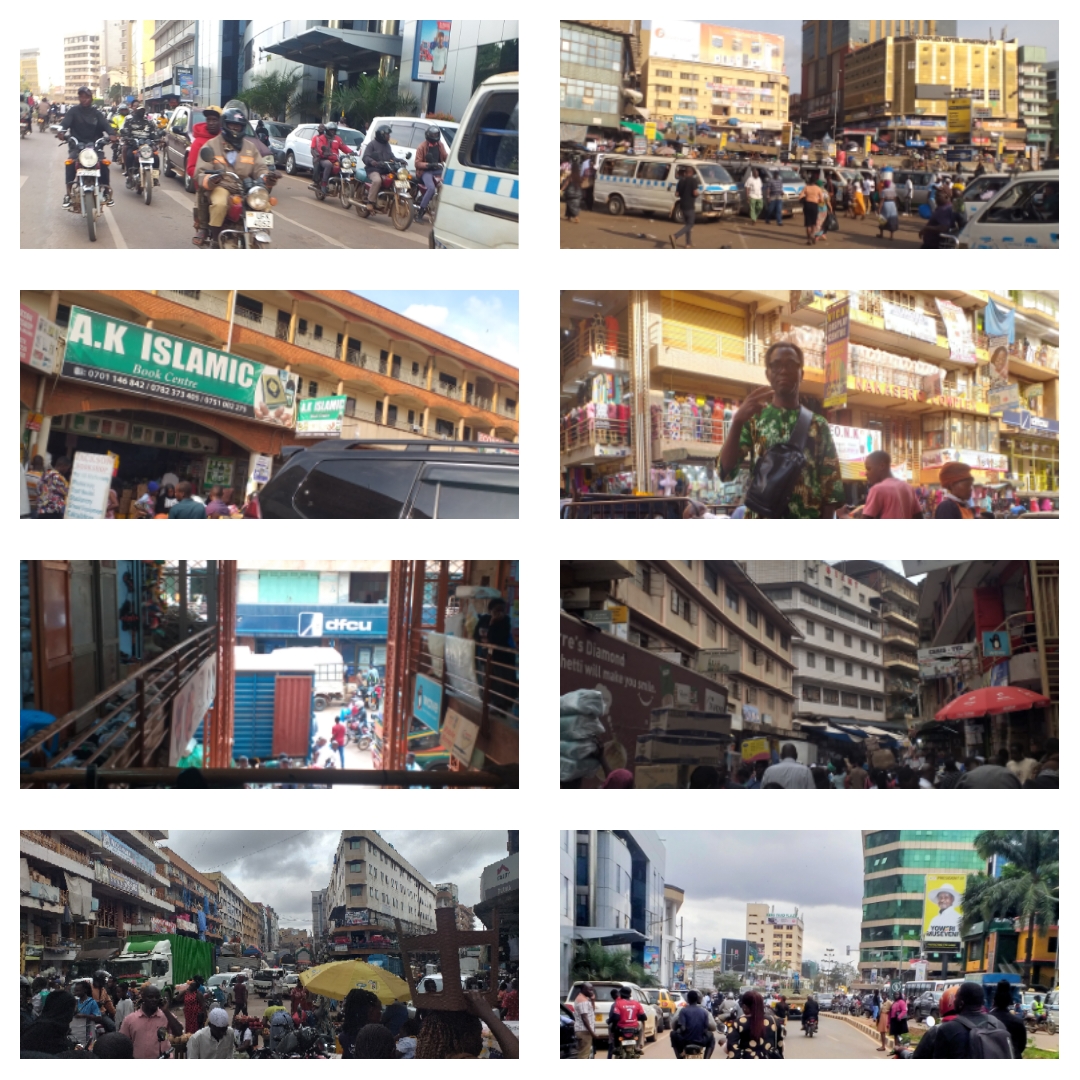
JINJA, Uganda – The air had a satisfying chill to it; it started like it would rain; a pleasant bite that woke you up from the inside, as our bus pulled out of Kampala last Monday, February 15th. We were heading eastwards from the capital, towards Jinja. Our pilot of the RCCG Victory Centre bus graciously made available by the pastorate, Brother Zach, a Yoruba man married to a lovely Ugandan ebony, mentioned almost, casually, that if we kept going on this road, we would eventually hit Kenya.

The thought lingered, but our destination was more profound. For days, a hunger had been building in me, a yearning to witness one of the great wonders of the natural world: the very spot where Africa’s longest river, the Nile, begins its epic pilgrimage to the sea. In fact, for this reason, my return to Nigeria, earlier scheduled for February 15th, had to be deferred. It was, indeed, worth the shift!
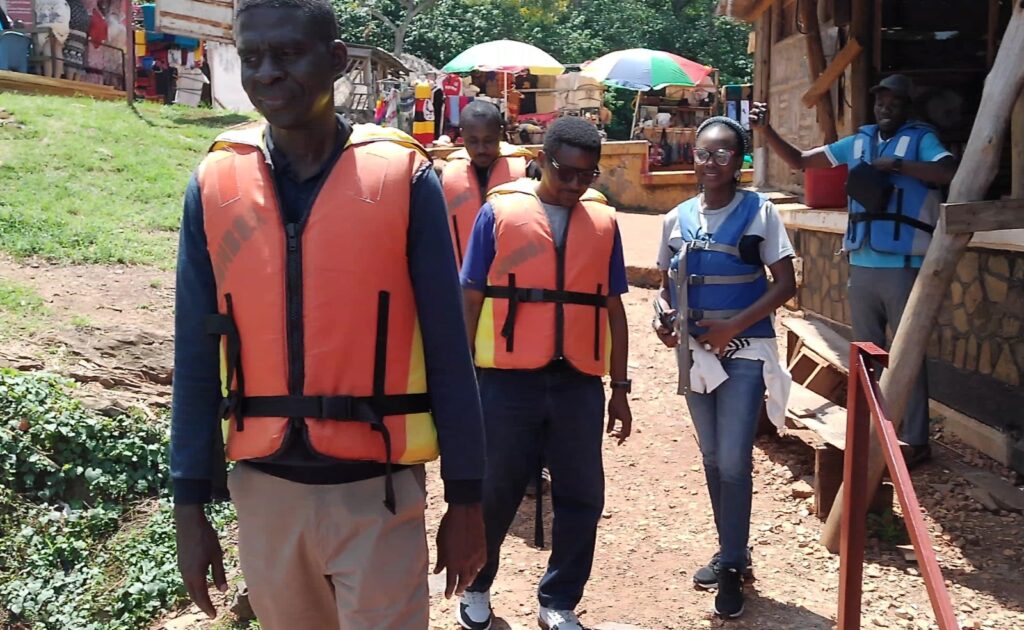
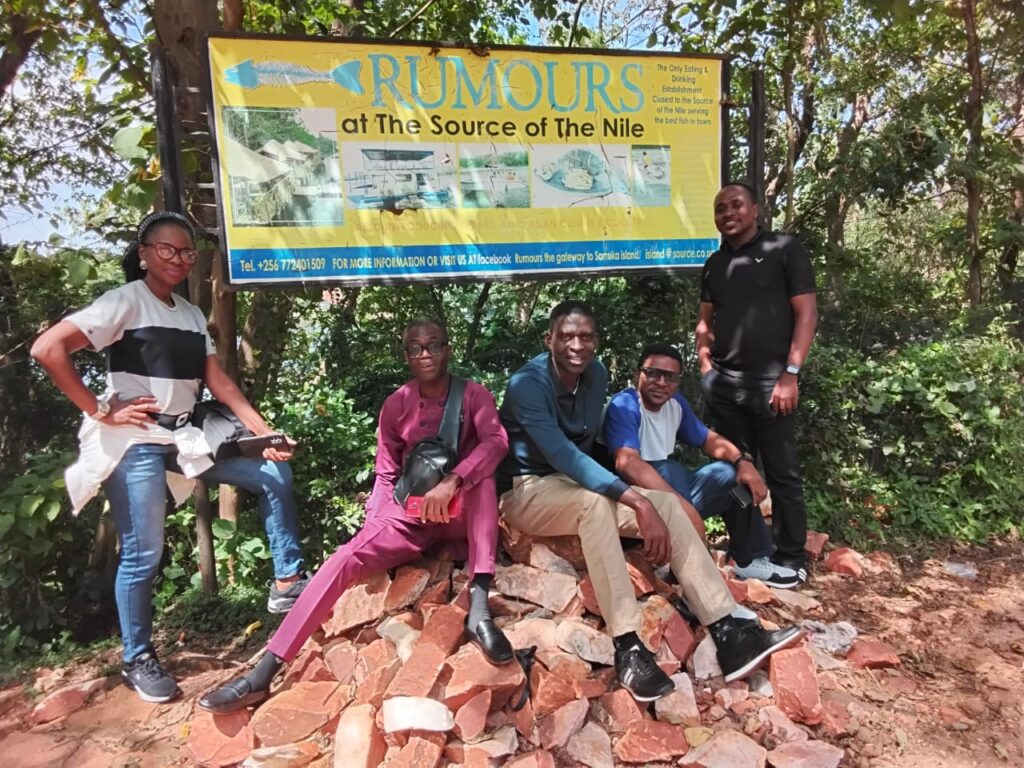
The road itself told a story. To behold the natural wonder, we were six including a delectable daughter of Zion: tall, logical Engr Emmanuel Orimogunje, erudite Dr Gabriel Enamudu, his wife Funmilola, versatile enigma, Prof Enoch Oladunmoye, the vivacious driver, Brother Zach, and my humble self.
We set out on a day traditionally declared in Uganda as a public holiday in honour of a martyr – Archbishop Janani Luwum Day, celebrated every February 16th. I gathered that this public holiday honours the life and legacy of Janani Luwum, who was a former Archbishop of the Church of Uganda, who was brutally martyred on February 16th, 1977, under the regime of no other than the late maximum ruler, Idi Amin. His remembrance underscores his courageous stand against human rights abuses and his unwavering commitment to justice and faith. The prominent religious leader was said to have fearlessly challenged the cruelty and extrajudicial killings carried out by Idi Amin’s despotic and murderous regime. His murder, spuriously reported at the time as a car accident, later became a pivotal turning point that united both national and international opposition to the Amin regime. Thus, the day was declared a national public holiday by President Yoweri Museveni in 2015, with the first official commemoration taking place on February 16th, 2016.
Now back to our travelogue. Leaving Kampala, we meandered through Mbalala, a town that seems to merge with the city. The asphalt there was a single carriageway, a bit rough around the edges – not too dissimilar to some of the notoriously challenging roads back home in Nigeria. It was not terrible, but it spoke of a certain neglect – the usual mediocrity often ignobly celebrated in most parts of Africa. From Mbalala, we rolled into Lugazi, and the landscape transformed. Here, the potential of agriculture was not just a theory; it was a living, breathing reality. Stretching for hundreds of kilometres were lush, verdant valleys carpeted with neat rows of tea plantations. Factories, including a sugar cane factory, sat right in the heart of the farms, a testament to an integrated industry. You would have to have a heart of stone not to feel a pull towards the soil seeing that. On either side of us, seemingly endless fields of sugar cane swayed, a source of national sustenance and, I was told, export revenue. Much of this agricultural backbone, I learned, is powered by the Indian community, who have been a part of the Ugandan fabric for generations. They are, after the Ugandans themselves, a significant demographic presence, followed now by a growing Chinese community, many drawn by the stability Uganda offers in a region of occasional turmoil.
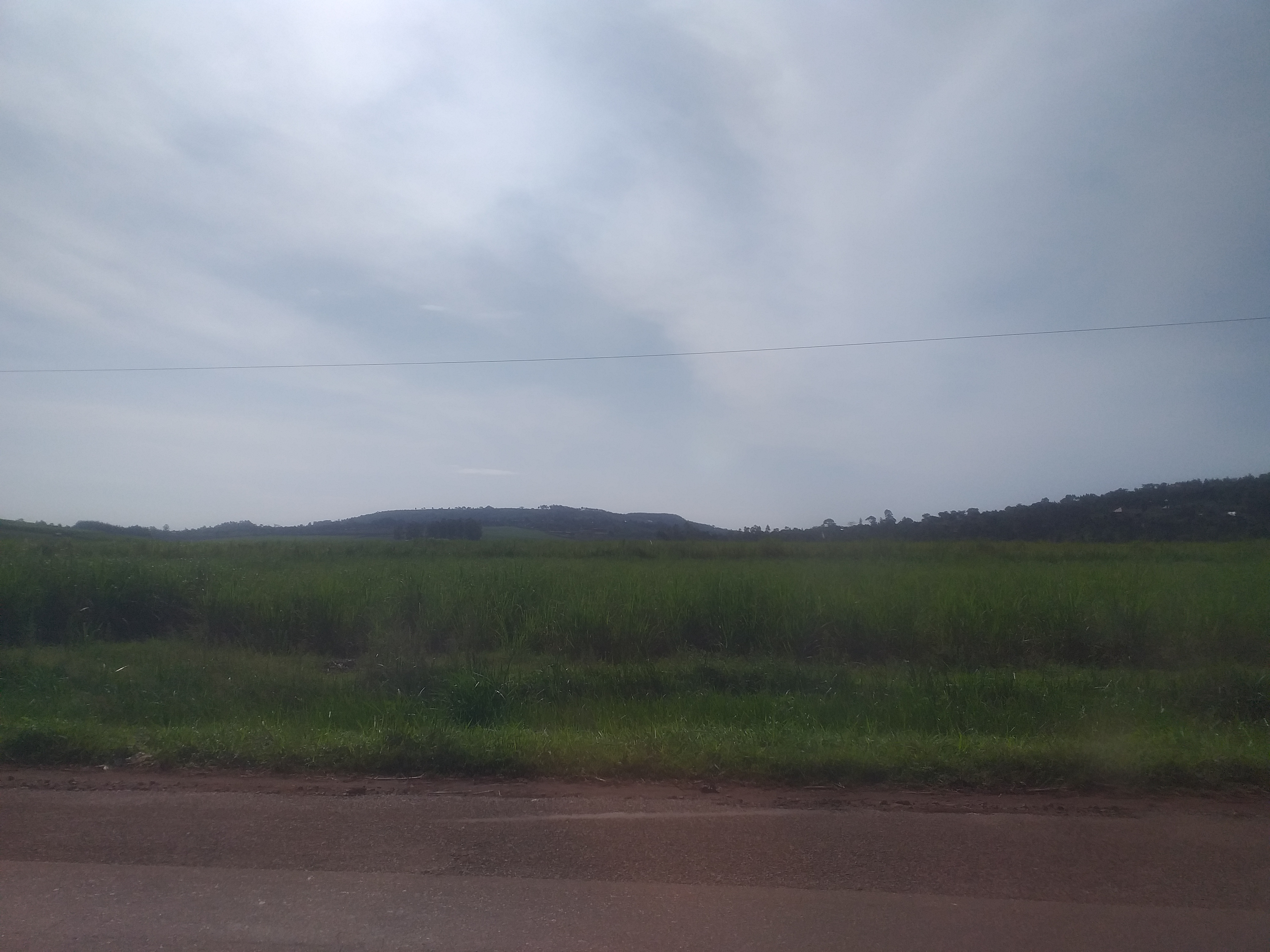
The roughly two-hour drive was remarkably free of hassle. Save for one fleeting glimpse of a security van, there were no law enforcement agents manning roadblocks, no logs dragged across the highway to extort travellers. It was a stark, refreshing contrast to the journeys I am used to, where the road itself can become an obstacle course of military and police checkpoints.
Just after 10:16 a.m., we arrived in Jinja. Not the bitter Jinja herbal solution making waves in Nigeria. This Jinja is a sweet, beautiful city located in Eastern Uganda. The next challenge was finding the actual entrance to the Nile source. There were no signboards, nothing to guide eager tourists. The managers of this eternally alluring site need a few knocks on the head! Our faith in Google Maps led us on a merry dance in the wrong direction. Salvation, as it so often does in East Africa, arrived in the form of a boda boda (motorcycle taxi) rider. For two thousand Ugandan shillings, he led us nearby and pointed straight to the gate. Pronto, our shillings were gone! Sharp guy. A man has got to hustle.
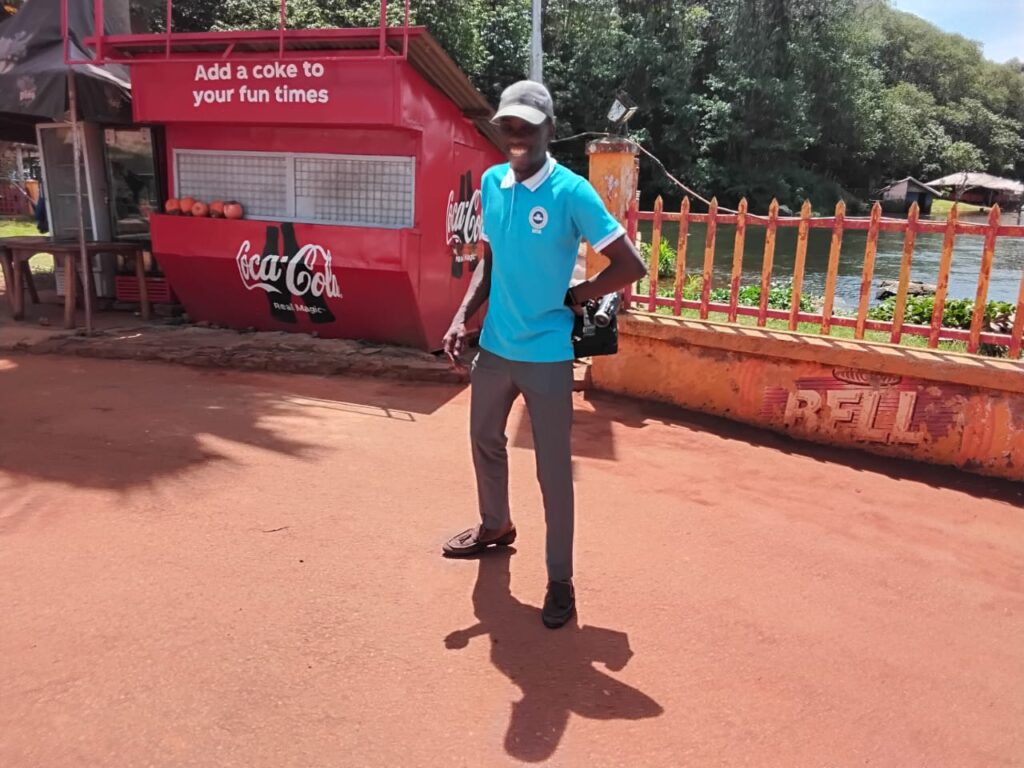
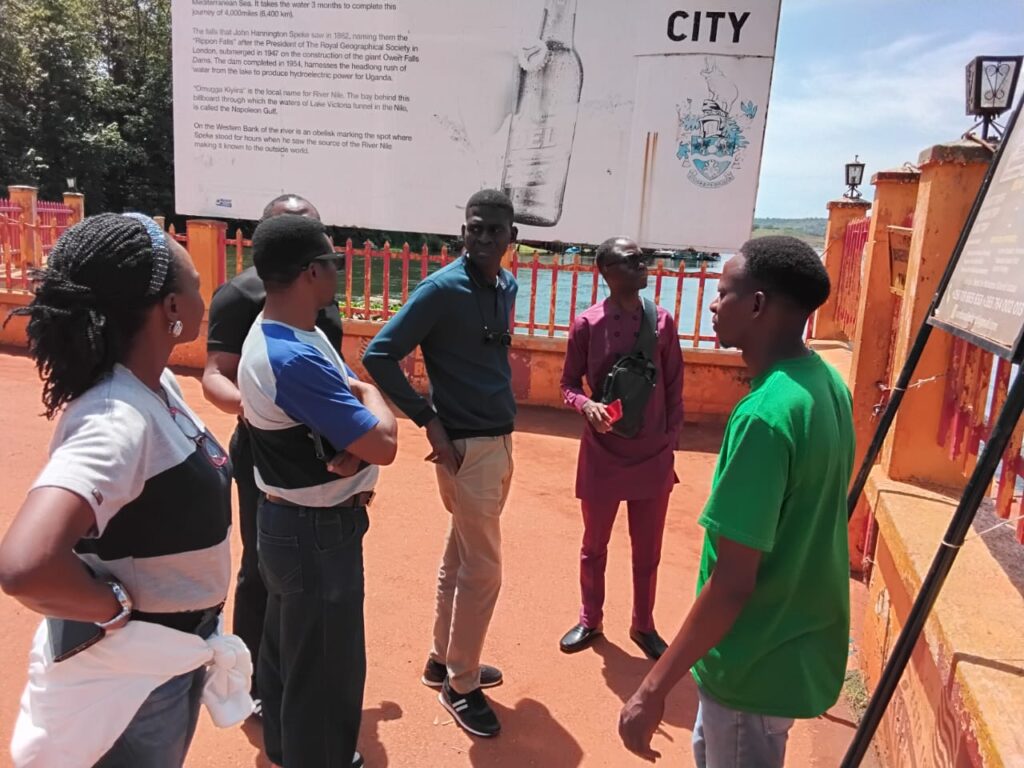
To be honest, the entrance was underwhelming. For a place of such global fame, it felt a bit neglected, lacking the grandeur you would expect. But once we stepped deeper inside, the scene opened up into a mangrove forest, even as we viewed the river from a distance. The surreal ambience was palpable.
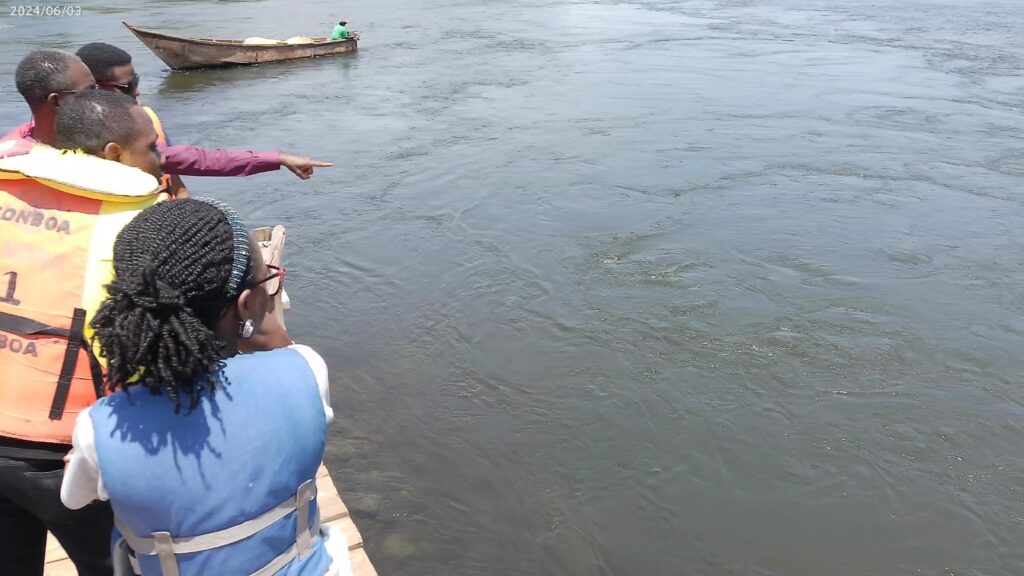
One immediate point of pride was the cleanliness. Give it to Uganda on this note! The government, we learned, has commissioned the local fishermen who ply their trade on the majestic Lake Victoria in their wooden boats to keep the river source and lakeshore tidy. There was not a trace of water hyacinth or plastic waste, or sachet water wraps – a sad contrast to the litter-strewn waterways of my country. As a matter of fact, across Kampala, there is no sight of wraps of “pure water” littering the environment because such drink packaging does not exist. It is either public potable water or well-sealed, certified bottled water.
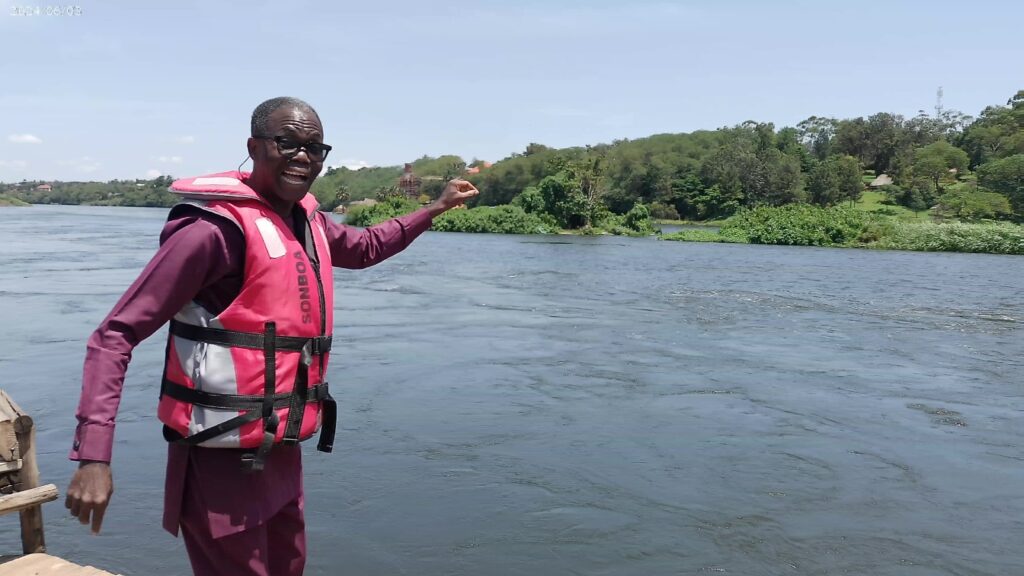
Our first guide was a chap named Ronnie. He led us to one of two wooden jetties with huts at the entrance, owned, according to him, by a German man who had once been married to a Ugandan woman before returning to Europe. The structures were charming relics of a fading, weathered beauty, clearly in need of some care. A handful of other tourists, a mix of Europeans and Africans, were either having a nice time viewing the awesomeness of the site, or waiting for a boat for a cruise to the meeting point and source of the Nile.
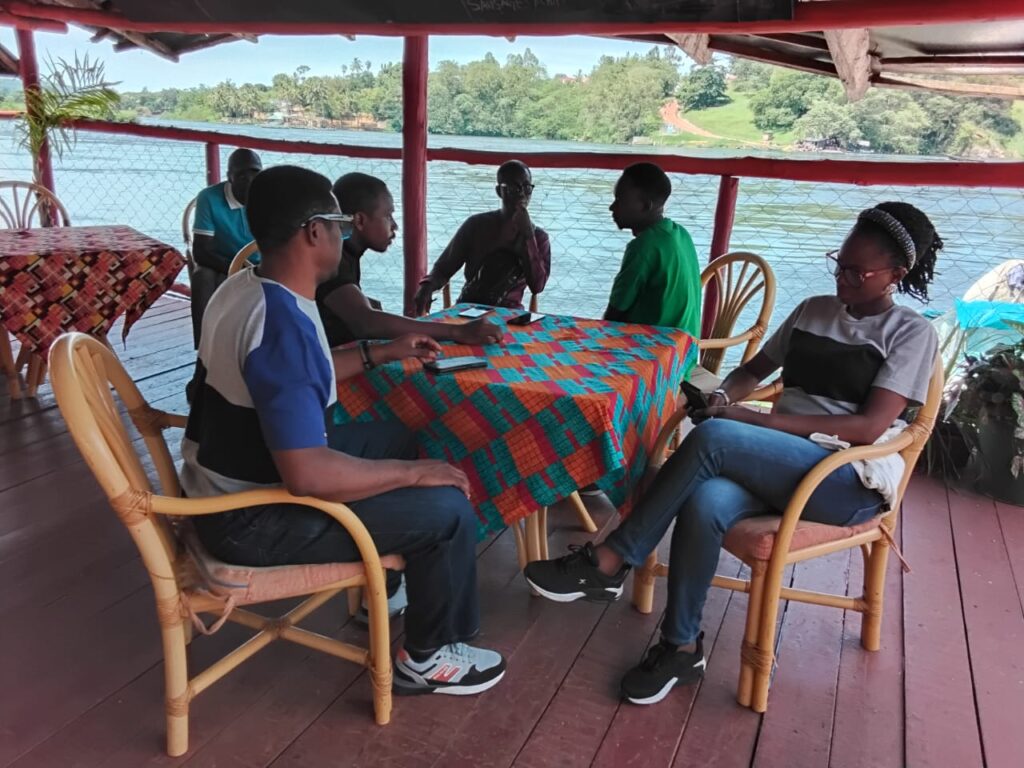
As we waited, Ronnie shared his limited knowledge. Lake Victoria, he explained, was originally named Narubale by the local Busoga people. The lake itself is shared by Uganda, Kenya, and Tanzania. Swimming is not allowed in the lake – it is stagnant, he said, and murky, unlike the fresh, flowing river water. He quoted a price for a boat tour that seemed a bit steep, 650,000 Ugandan shillings, but the promise of seeing the actual source was worth it.
Ronnie was not ready to reduce the price. Not even our cajoling could make him change his mind. It was also obvious some sharp practices abound in the hearts of the managers. At the entrance gate, for instance, we were initially asked to cough up Shs 30,000 each, but after much haggling by our driver, Zach, who could speak Luganda by Providence of marriage, we eventually paid Shs 120,000 for the six of us before we could be ushered in. Hear this: Most of Ugandan babes are sumptuously dark-complexioned and said to be crazy about Nigerians. I'm yet to ascertain this claims! Their mien, calmness and easygoingness often, arguably claimed, make them a prey to their less ambitious men.
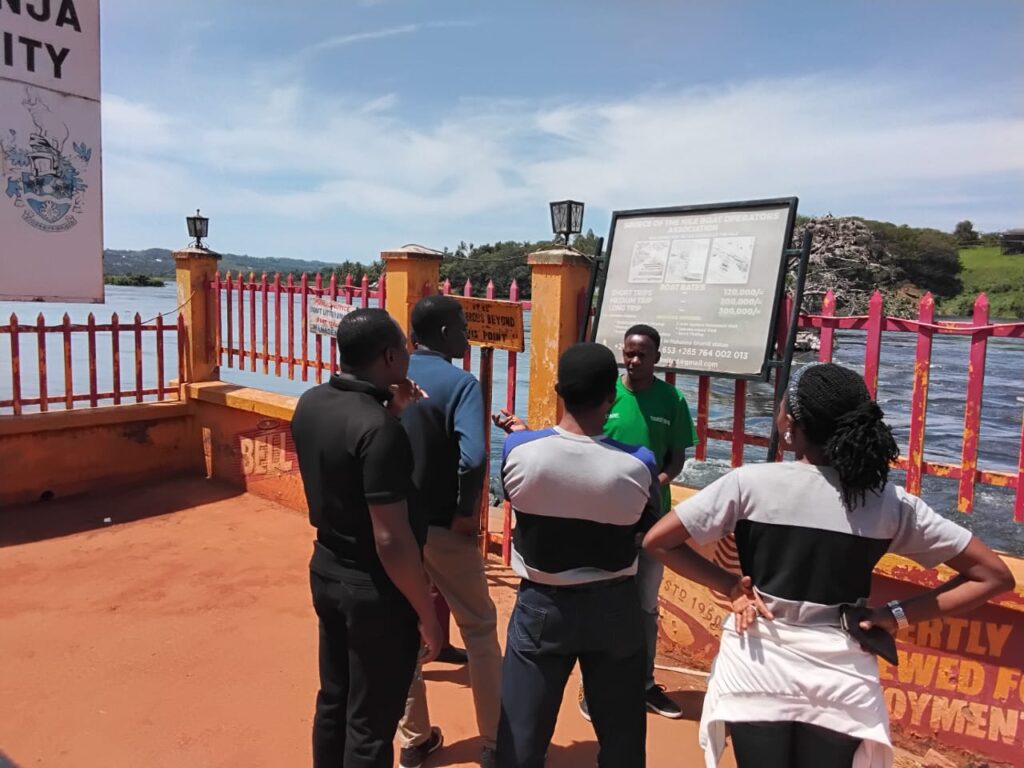
The deal with Ronnie fell through, so we made our way to the next jetty on the right, where we eventually met one Pastor Emmanuel, our guide for the boat cruise. His charge was a modest Shs 300,000. Though we were cautious about betraying our Nigerian identity, except that we conversed more in Yoruba since the six of us on the tour are speakers, the boat allotted to us bore Nigeria's green-white-green colours. Perhaps intentional, perhaps coincidental, but very significant! We boldly rode on the flag of Nigeria to the Nile source!Besides Lagos, where there is a semblance of sanity in our tourism ecosystem, what have we in the Niger Delta coastlines? Have you been to Escravos, where Chevron towers in oil and gas, or Ogulagha, where Shell hibernate, where you could behold the massive ocean that extends to Lagos and beyond? What have the Delta State government and Nigeria made of these potential?
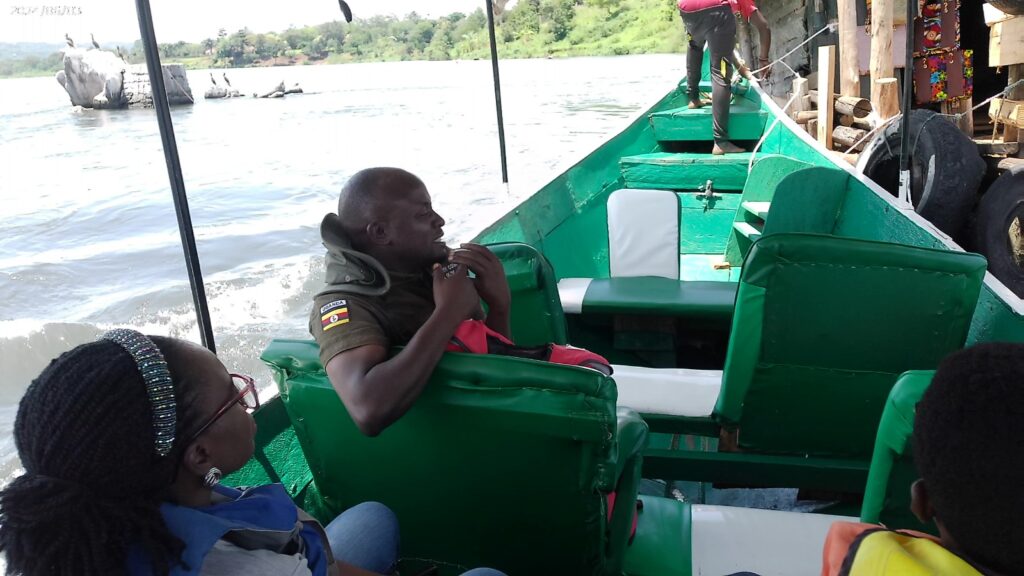
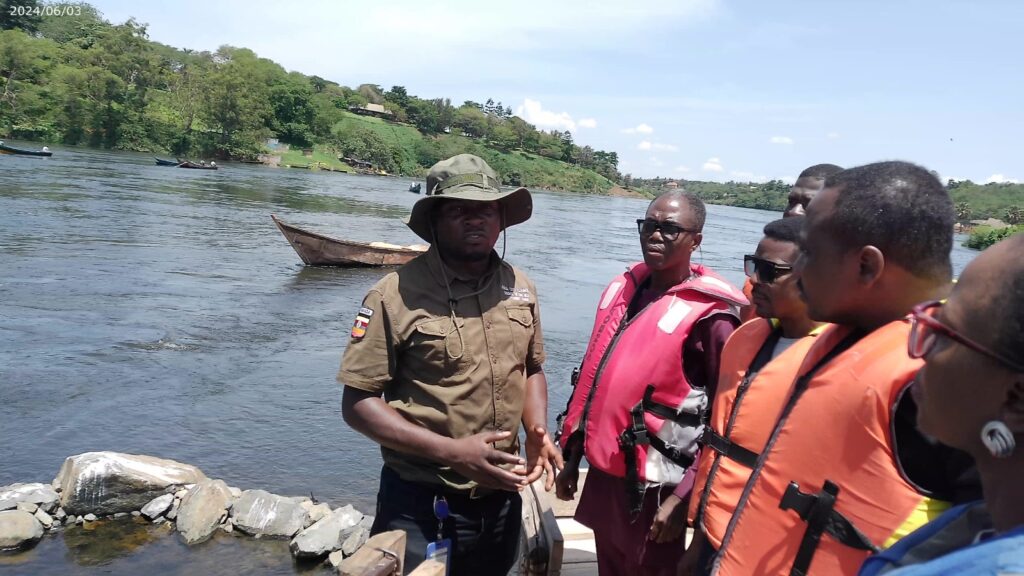
As our green-white-green boat puttered away from the jetty, Pastor Emmanuel, unlike Ronnie appears to know his onions and began to unravel the mysteries of the place, including the birds and mammals found therein. We saw hefty rocks inside the gushing river; different species of birds and fish sang and entertained us. White egrets feast and pooh on a drooping tree right in the middle of the river. Our anchor man told us their stories. We saw a White woman on a canoe with two African guys on dreadlocks; she, facing the duo directly, appears to be up to some research work. We beheld natives doing their fishing on wooden canoes so fearlessly and dexterously. Emmanuel said some of these natives do rituals on the waters to appease the gods like we have in the Niger Delta. He told of the story of a man who, while cruising on his boat, took a plunge into the river in an obvious attempted suicide bid. He had been diagnosed with HIV, so he preferred to end it all in the belly of the river and its creatures. But Emmanuel saved the day! He rescued the man and ministered to him. The Whiteman returned months later to express gratitude with monetary offerings after surviving depression.
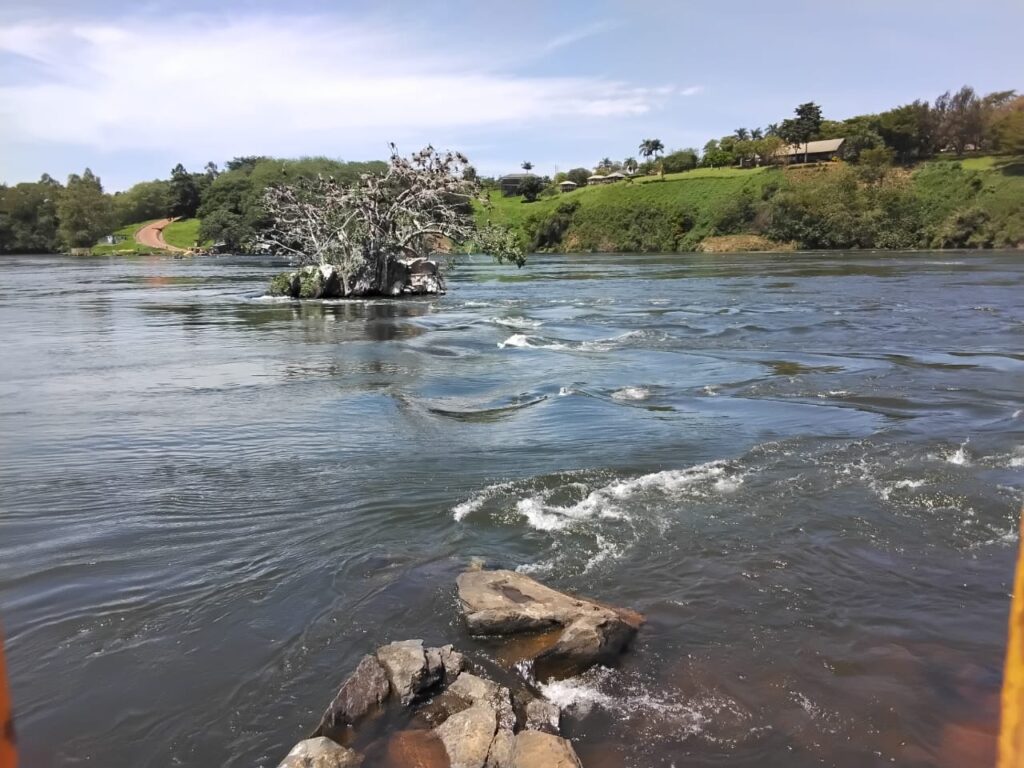
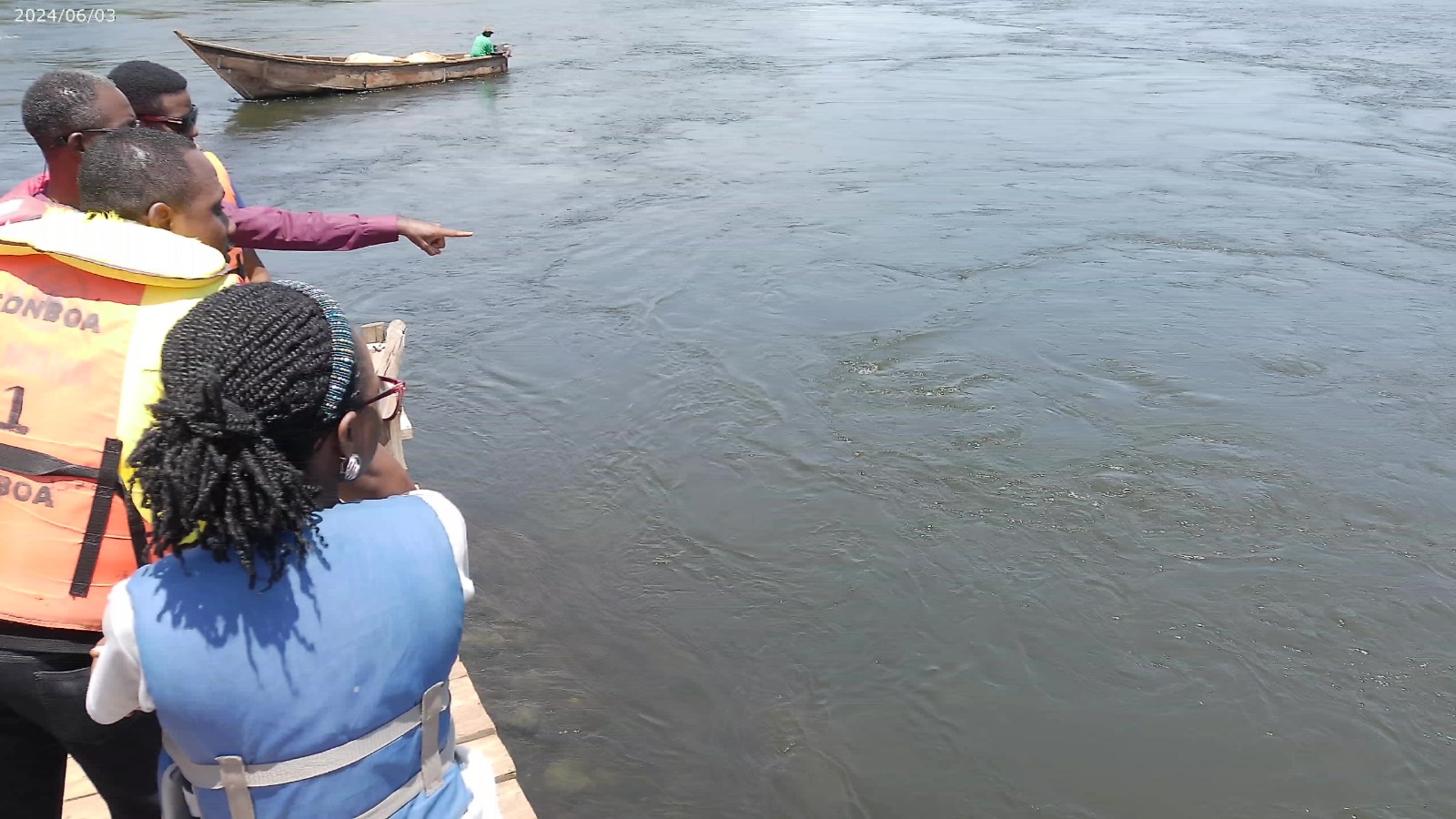
And then, our destination: the exact point where the lake and the river meet. It’s a war zone between the flowing river and the stagnant lake! Pastor Emmanuel gestured to a spot where the water seemed to boil with hidden energy. “The current from the dam and the lake,” he explained, “they try to suppress the pressure from the source. But they cannot. The pressure from the abyss is too massive.”
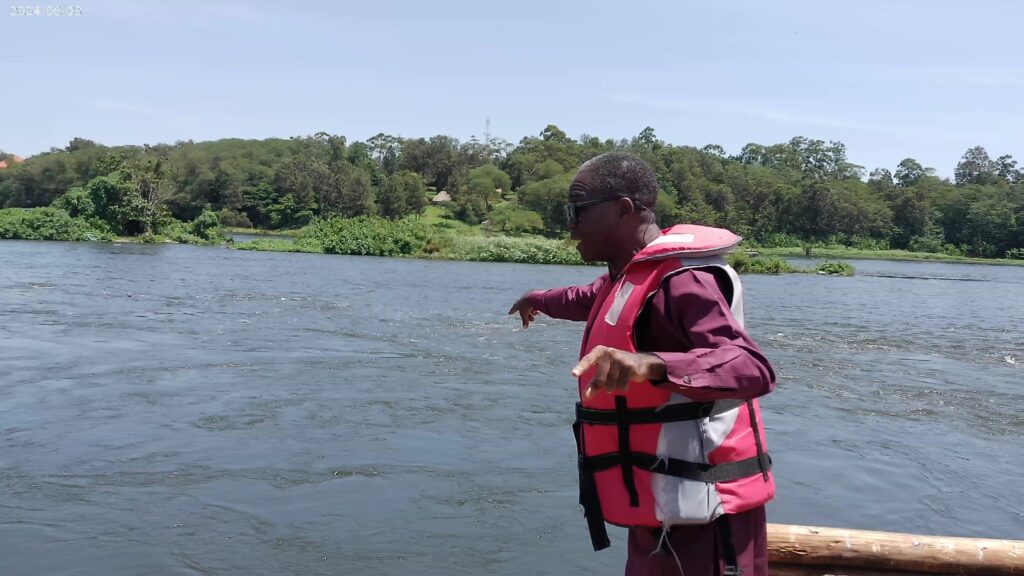
He said that in 1947, the natural "spiralling" or springing effect of the water at the very source of the Nile was submerged following the construction of the dam. That dam supplies electricity to parts of both Uganda and Kenya, we were told. Could it be the reason for the constant electricity in Uganda?
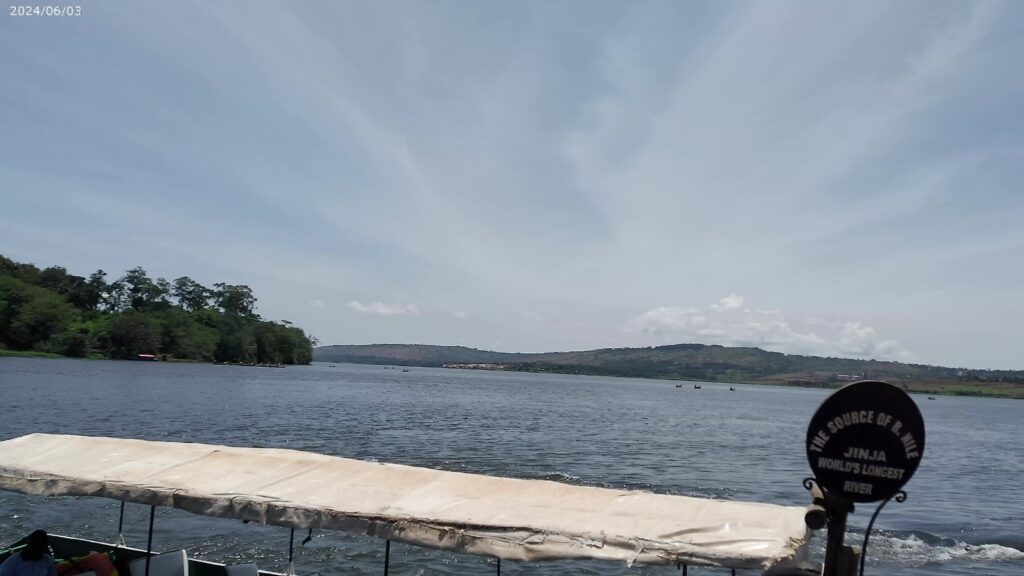
The true source, the abyss from which the water erupts with such immense pressure that no diver can withstand it, he argued, remains undiscovered. This, he said, gesturing broadly, is the "zero mile" of the Nile, the point from which all its miles are measured. The point also demarcates the beginning and departure of the Nile and Lake Victoria.
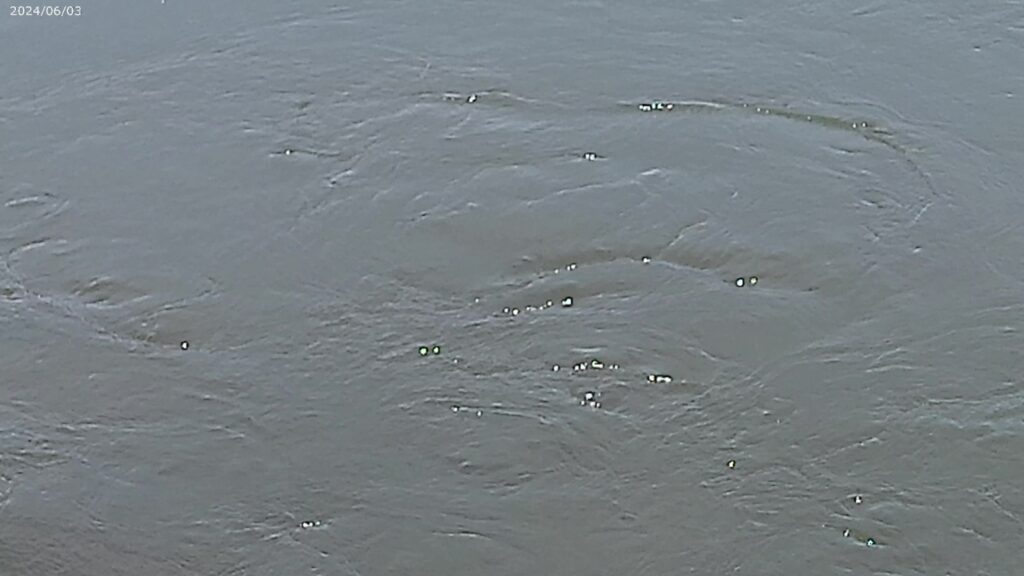
We motored out, feeling the shift and circling in the water. We were leaving the River Nile and entering the vast, still expanse of Lake Victoria. The contrast was palpable: the river, alive with current; the lake, a massive, dormant giant. Pastor Emmanuel pointed to a dockyard where a ship was offloading coal from Tanzania, a scene of quiet commerce. It is the famous Jinja Port. He explained that the government pays the fishermen to keep the waters clean, and that his own boat and company were owned by a wealthy Kenyan. He pointed out guesthouses owned by a local tycoon named Manibali. The man, he further informed, owns several other businesses across Uganda and has become a household name.
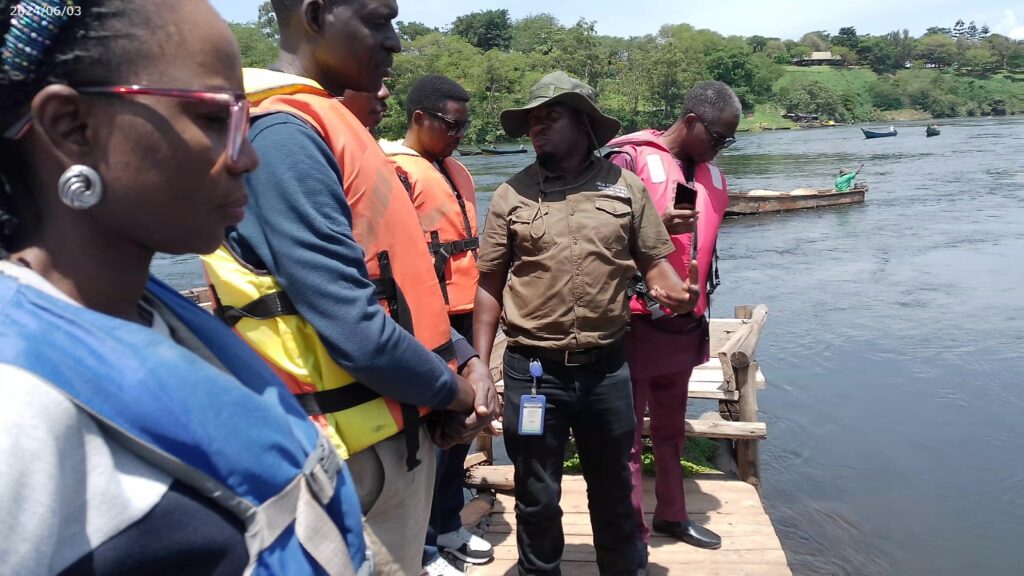
Our final stop was the Jinja Port, the oldest port in the region, built by the British colonial government around 1912, harbouring the dockyard. We closely beheld a swamp buggy riding on a barge to offload coal into lorries for onward movement to towns and cities of Uganda. Pastor Emmanuel said the raw materials help factories to generate electricity and heat. The Jinja Port with its dockyard felt like a relic, a piece of history slowly being reclaimed by time. It was here that the reflections of my fellow travellers crystallised my own feelings.
Professor Enoch Oladunmoye of Kampala International University (KIU) was visibly taken with the experience. Fielding questions at the jetty after the tour, the radiant don submitted: "From my own perspective, the cruise was relaxing and enjoyable having to know where the River Nile has its source," he told me. "I am also privileged to see where the River Nile connects Lake Victoria.
READ ALSO: https://stonixnews.com/tunde-onakoya-gifts-lookman-custom-chessboard/
It is very impressive. The guide gave us deep insights about the origins of the Nile as well as Lake Victoria. We got to understand that from this source, this river connects to some other countries. It is actually massive in the open space.” He went on to connect the natural wonder to practical benefits. “Through the Nile, Uganda is able to generate electricity even for Kenya. The beauty of having the river increases transactions in terms of commerce, exchange of resources and business. And this has actually increased the GDP of Uganda.”
The only lady in our midst, Mrs Enamudu, another member of our party, was more spiritually moved by the spectacle. "I came with them: doctors, engineer, journalist – to Lake Victoria," she said with a warm smile. "I actually enjoyed myself. I was on water, kind of scared but not actually scared; I met with Pastor Emmanuel, the tour guide. I have gathered enough knowledge today as regards the Source of the Nile and Lake Victoria. What interests me the most is the awesomeness of God in all these creations. I was awed about the source of the Nile, how the water is gushing out and spreading to feed the Nile and Lake Victoria. I enjoyed myself."
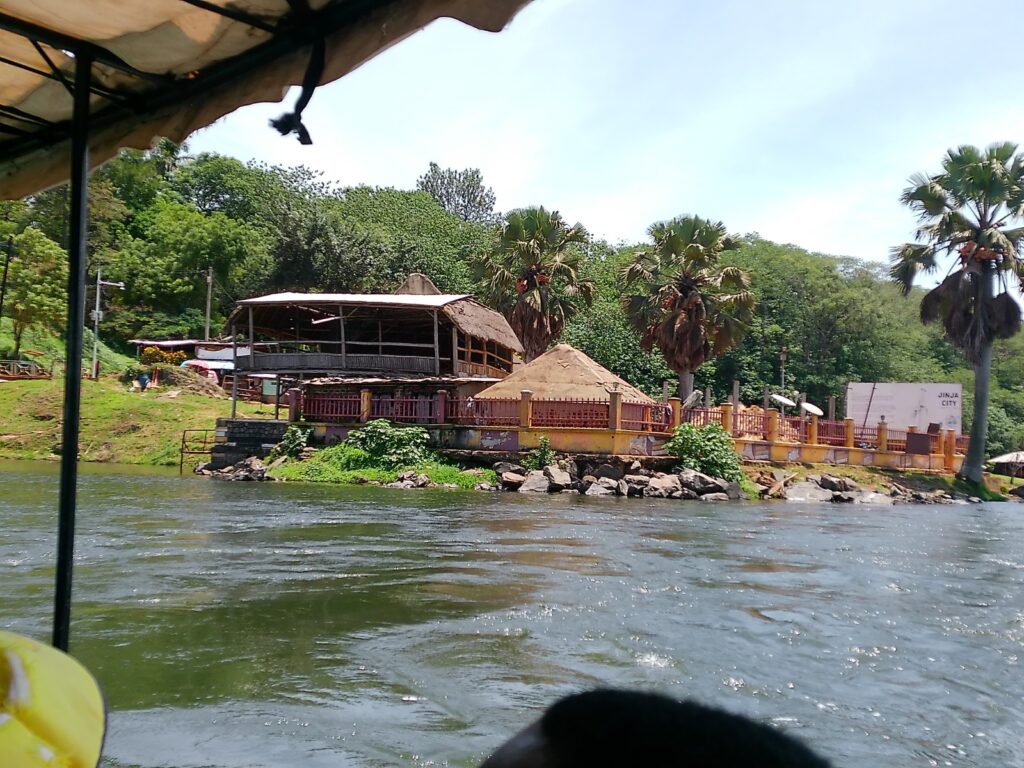
Her husband, Dr Enamudu, offered a more analytical perspective, blending wonder with a critical eye for detail. “We thank God for this gift of nature – the Source of the Nile and Lake Victoria,” he began. “We learnt how the constructed dam suppressed the springing effect of the pressure of water at the very source of the Nile.” He then turned his attention to the surrounding infrastructure. “So many things to be improved on which include: the ancient port should be cleaned up. It appeared abandoned and needs some proper cleaning. Some modern structures are springing up by the river banks, which is a good thing.”
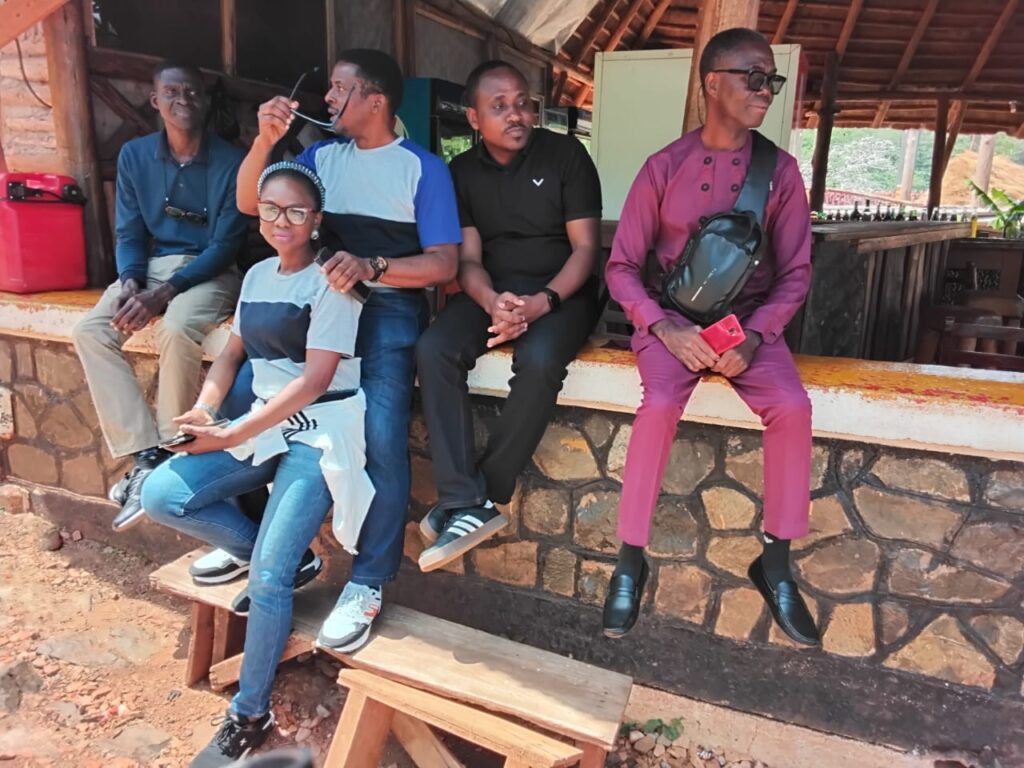
As we headed back, after Brother Zach led us to the other side of the lake to buy fresh fish barbecue, the cool air of Jinja once again wrapping around us, I felt a profound sense of completion, much more as roasted plantain and chicken with cold soft drinks followed suit on a popular market by the roadside.
The yawning hunger that had driven me to Jinja was fed, not just with sights, but with a deep understanding of the power of nature, the flow of history, and the simple, enduring awe of standing at the beginning of something so immense and alluring. It was a journey to the source, but it felt very much like a new beginning.
Follow Stonix News
Stay updated with our latest news and updates:
📢 WhatsApp Channel:
Join our WhatsApp Channel
📘 Facebook:
Follow us on Facebook
🎵 TikTok:
Follow us on TikTok
▶️ YouTube:
Subscribe to our YouTube Channel