THEY call Nigeria the Giant of Africa. Uganda is fondly described as the Pearl of Africa. Between the two lies not just geography, but temperament.
Kampala is cool — not merely in climate, but in disposition. The people are calm. Their hustle is steady, not desperate; purposeful, not combative. Not too ambitious, but lacks confidence and self-esteem. It is enterprise without frenzy.

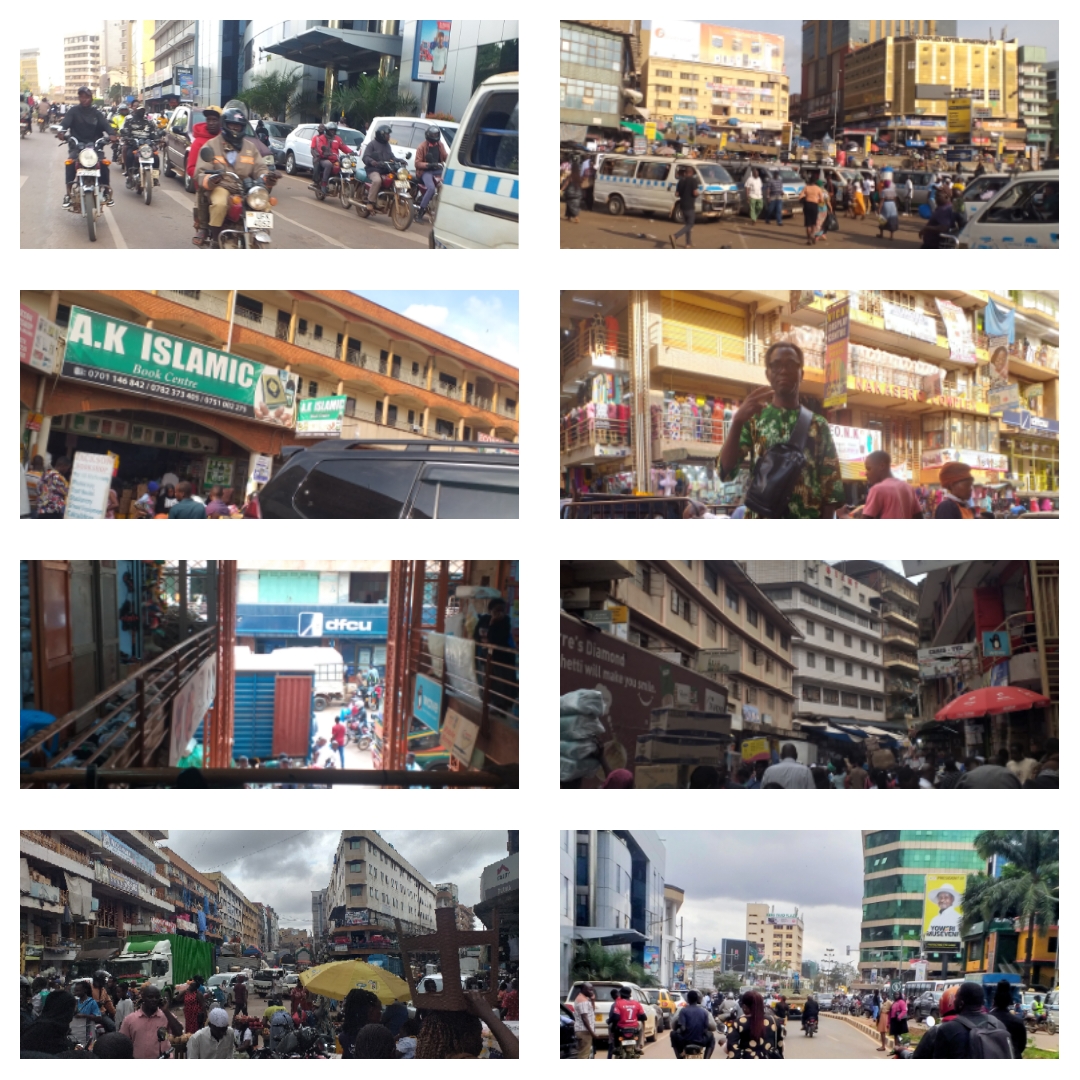
Last Monday, with Sarah, the apartment manager of my host, I ventured into town. My mission was sightseeing; hers, shopping at the ever-busy Arua Park and a stop at Kikubo Market. We mounted a boda boda (what Nigerians call okada) and weaved through Kampala Road, past City Square, and onward to Arua Park.

The first impression was striking: clean roads, orderly pavements. And gridlocks! Then came the motorcycles — everywhere. Kampala appears to run on two wheels. Though riders are properly helmeted, they swarm like disciplined bees. Healthy pay jobs aren’t common. Uganda is 70 per cent youths. War-torn Sudan have poured its jobless youths into Uganda. Most are into this boda boda business. Compared to their counterparts in many Nigerian cities, they are markedly more cautious. Yet their sheer volume slightly disrupts the visual elegance of the capital.
Another noticeable difference? The near absence of street beggars. In the interior of Kikubo Market, I counted just three individuals who appeared genuinely destitute, seated quietly in wheelchairs. They did not harass or chase passers-by — a stark contrast to what one often encounters in parts of Nigeria.

Perhaps most astonishing is the silence — not the absence of life, but the absence of chaos.
READ ALSO: https://stonixnews.com/inec-unveils-2027-election-timetable-sets-20-february-for-presidential-poll/
Except for the RCCG church I attend and two stores at Arua Park, I have not seen generating sets cluttering storefronts. Yet shops, warehouses and plazas enjoy steady electricity. I have not even sighted stores selling generating sets. For a Nigerian, this borders on cultural shock. One cannot help but wonder: what exactly is Uganda getting right about the power supply?

The clangorous bedlam that defines places like Oshodi, Alaba, Ladipo or Computer Village in Lagos feels distant here. Kampala’s markets are lively but not suffocating. Noise and air pollution seem restrained. Ugandans trade alongside Indians, Chinese and other nationalities — yet there is order in the diversity.
Conspicuously absent are the self-appointed intermediaries Nigerians call
— those energetic middlemen who cajole customers and escort them to shops for a commission. Here, traders sit by their wares, minding their business. No harassment. No dragging of sleeves. My guide, however, cautioned that while agberos may be absent, one must not dangle one’s phone carelessly; a passing boda boda rider could make it disappear in seconds.
Interestingly, uniformed policemen were scarcely visible. Instead, there were pockets of armed private security guards who handled their weapons with calm professionalism. No public chasing of riders. No visible extortion drama. Just quiet enforcement.
Second-hand goods — so dominant in many Nigerian markets — are few. The handful of sellers displayed their items modestly, some squatting in front of larger warehouses. Yes, a few spread goods along the roadway, and just like in Nigeria, they dismantle their makeshift displays swiftly at the sound of an approaching truck. Some habits, it seems, transcend borders.

From inquiries and observation, goods entering Uganda undergo thorough scrutiny and certification by the country’s standards authority. The result is visible: quality merchandise. Shoes, foods, clothing and even vehicles appear sturdy and well-maintained.
Since Uganda is landlocked, vehicles arrive through Mombasa, Kenya, by road, so I gathered. They look solid, clean, and largely free from the dents and scratches inflicted by tricycles and motorcycles in some Nigerian cities. Popular Nigerian favourites such as the Toyota Sienna were surprisingly scarce.

Of course, crowds gather in sections of the market, where Indians, Chinese and Ugandans shuffle in close proximity. One corner of Arua Park appears predominantly Muslim, with Arabs, North Africans and Indians visibly represented. Islamic religious items — hijabs and other ritual wares — are abundant.

Indian merchants dominate the electronics trade, operating warehouses stocked with mobile phones and accessories.
Between the Giant and the Pearl, one begins to notice that development is not always loud. Sometimes it is quiet, deliberate, almost understated.
And so the diary continues.
Ebenezer Adurokiya writes from Kampala, Uganda