
Ola ‘Kiya, Reporting
BEDC Electricity Plc has dismissed allegations that it is witch-hunting or marginalising electricity consumers in Edo State, attributing the ongoing power outages to reduced allocation from the national grid.
The company’s Head of Branding and Corporate Communications, Mrs Evelyn Gbiwen, refuted the claims in a statement made available to journalists in Benin.
Her reaction follows accusations by a group identified as Edo People Against the Oppressive Tendencies of BEDC, which had alleged that the distribution company was deliberately marginalising customers in the state.
The group reportedly issued a two-week ultimatum to the company to improve service delivery or face mass unrest.
Setting the record straight, Gbiwen stated that the epileptic power supply currently being experienced across BEDC’s franchise states was not deliberate but a direct consequence of limited power allocation from the national grid.
“BEDC Electricity Plc wishes to sincerely update our esteemed customers on the power supply experienced across our franchise states,” she said.
“The company noted the reduction in the quality of electricity supply which has impacted households, businesses, healthcare facilities and socio-economic activities within our franchise areas.
“It is important to clarify that the present outage and load shedding being experienced are not deliberate actions by BEDC, but a direct consequence of power allocation from the national grid.”
She explained that the company had recorded a significant reduction in energy allocation, necessitating careful load management and distribution in line with service level agreements across different customer bands.
Gbiwen stressed that the situation was not targeted at Edo State or any other part of the company’s network, noting that historically and presently, Edo accounts for a substantial portion of BEDC’s daily energy allocation distributed across its three regions.
According to her, the current supply challenges are part of a nationwide phenomenon affecting distribution companies, arising from grid constraints beyond BEDC’s control.
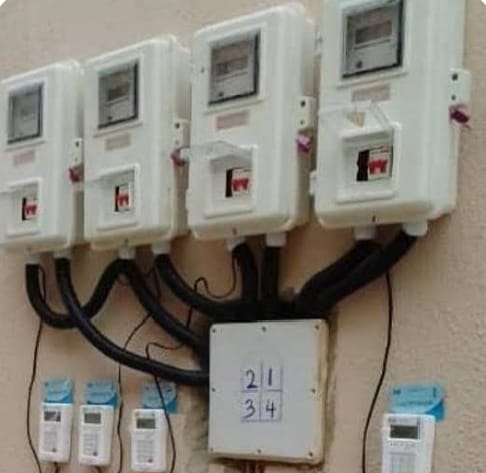
As part of efforts to improve service delivery and transparency, the company said it had intensified its metering drive to eliminate estimated billing and enhance customer confidence, particularly amid daily load management caused by low energy supply.
Gbiwen disclosed that three metering schemes were currently available to customers: Meter Asset Provider (MAP), Meter Asset Fund (MAF), and Distribution Sector Recovery Programme (DISREP) meters.
She added that both the MAF and DISREP schemes were completely free for customers under Bands A, B and C across the four states of BEDC’s operations.
“These efforts are aimed at improving billing accuracy, enhancing accountability, and strengthening customer trust in our operations,” she said, urging customers to report anyone demanding payment for the installation of free meters.
The management of BEDC reiterated its commitment to transparent communication, equitable energy distribution, aggressive metering rollout, protection of power infrastructure and continuous stakeholder engagement.
The company also appealed for patience and understanding, assuring the public that it was making every effort within its operational capacity to mitigate the impact of the current supply shortage.
Follow Stonix News
Stay updated with our latest news and updates:
📢 WhatsApp Channel:
Join our WhatsApp Channel
📘 Facebook:
Follow us on Facebook
🎵 TikTok:
Follow us on TikTok
▶️ YouTube:
Subscribe to our YouTube Channel