Sharon Adurokiya, Reporting
FOLLOWING the Federal Government’s confirmation on Tuesday of Nigeria’s first case of the Bundibugyo strain of the Ebola virus in the Federal Capital Territory (FCT), health authorities have issued guidance on how members of the public can protect themselves and their loved ones.
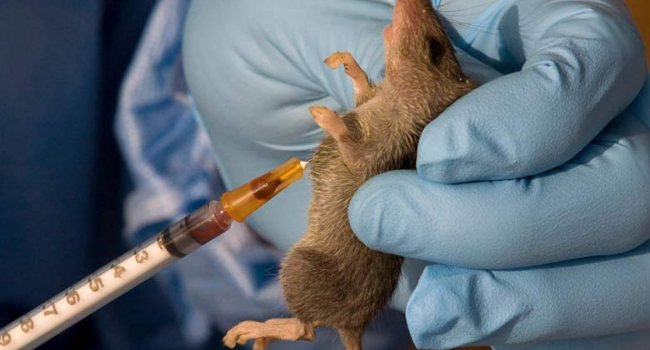
Ebola spreads through direct contact with the blood or bodily fluids of an infected person or animal, according to the Nigeria Centre for Disease Control and Prevention (NCDC).
Wash Your Hands Regularly
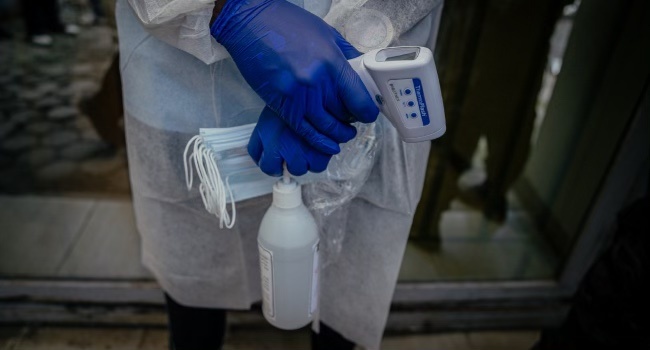
Handwashing with clean running water and soap, or the use of alcohol-based sanitiser, remains one of the simplest and most effective defences against infection.
Avoid Contact With Dead Bodies and Wild Animals
Members of the public should avoid contact with dead bodies and wild animals, and should never handle deceased bodies without professional health protocols in place.
Handle and Cook Meat Hygienically
All meat products should be handled hygienically and thoroughly cooked before consumption. Although Ebola does not spread through food and water, officials advise that all foods be thoroughly cooked and that clean water always be drunk.
Do Not Touch Bodily Fluids of Sick Individuals
People should avoid touching the bodily fluids of sick individuals. Transmission requires direct contact with the blood, sweat, saliva, vomit or other bodily fluids of an infected, symptomatic person, or with contaminated surfaces such as clothing or bedding.
Health Workers Must Follow PPE Standards
Health workers have been urged to adhere strictly to Personal Protective Equipment (PPE) standards. Officials say healthcare facilities are strengthening infection prevention and control measures, including triage systems, hand hygiene, the use of PPE and isolation procedures to protect patients and healthcare workers.
Know the Symptoms
Symptoms typically appear between two and 21 days after exposure and include fever, vomiting, headache, diarrhoea, weakness and fatigue, bleeding, muscle pain and sore throat.
Avoid Panic and Unverified Rumours
Authorities have urged the public to stay informed and avoid panic, warning that spreading unverified rumours causes unnecessary fear and hampers response efforts. Nigerians have been advised to rely on official health updates.