Rita Enemuru, Reporting
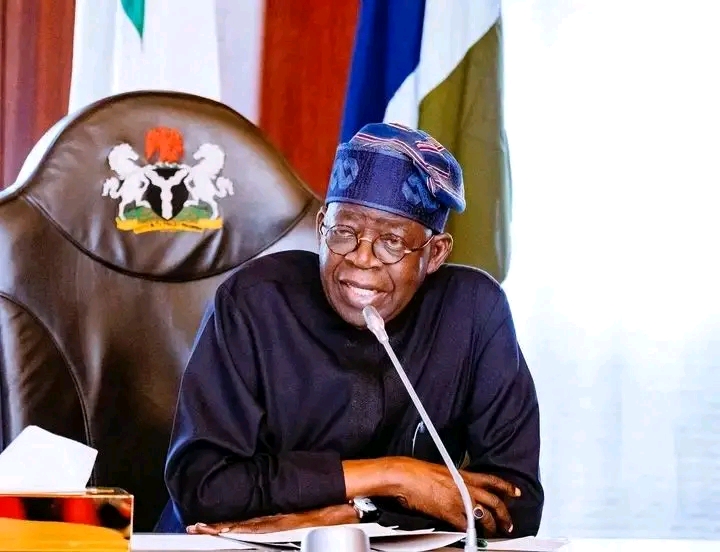
PRESIDENT Bola Ahmed Tinubu‘s 2026 Democracy Day address was a wide-ranging reflection on Nigeria’s democratic journey, the state of national security, economic reforms and the future of governance. While commemorating 27 years of uninterrupted civilian rule, the President also used the occasion to defend his administration’s policies, honour pro-democracy heroes and outline his vision for a more secure and prosperous Nigeria. Below are 12 major takeaways from the speech:
1. Strong Warning to Terrorists and Bandits
President Tinubu delivered one of his strongest security messages yet, warning bandits, kidnappers and terror sponsors to surrender immediately or face decisive military action, stressing that the government’s amnesty window would not remain open indefinitely.
2. Security Remains Government’s Top Priority
The President reaffirmed that insecurity remains a major concern, announcing continued investments in defence and law enforcement, including the recruitment of over 50,000 police officers and thousands of military personnel.
3. Record Security Budget
Tinubu highlighted the allocation of N5.41 trillion to defence and security in the 2026 budget, describing it as the largest security expenditure in Nigeria’s history.
4. Claimed Major Gains Against Terrorism
According to the President, terror-related deaths have fallen by 81 per cent since 2015, while over 13,000 terrorists were neutralised in the past year and more than 124,000 fighters and their dependants surrendered through Operation Safe Corridor.
5. Call for National Unity Against Crime
Tinubu urged Nigerians not to ethnicise criminality, insisting that “crime has no ethnicity” and calling for a united national response against insecurity.
6. Democracy Has Endured for 27 Years
He celebrated Nigeria’s longest uninterrupted period of civilian rule since 1999, describing it as proof of the resilience of the country’s democratic institutions.
7. Protection of Electoral Integrity
Ahead of elections in Ekiti and Osun States, the President called on INEC, political parties and security agencies to ensure free, fair and peaceful elections, warning that democracy suffers when citizens lose faith in the electoral process.
8. Recognition of June 12 Heroes
The speech paid extensive tribute to the heroes of the June 12 struggle, including M.K.O. Abiola, Kudirat Abiola, Gani Fawehinmi, Frank Kokori and several other pro-democracy activists who sacrificed for Nigeria’s democratic freedoms.
9. Economic Freedom as the Next National Challenge
Tinubu argued that while the June 12 generation secured political freedom, the current generation must secure economic freedom, making democracy meaningful through jobs, prosperity and improved living standards.
10. Defence of His Economic Reforms
The President defended controversial economic reforms introduced since 2023, claiming they have restored fiscal stability, increased government revenues, improved transparency and renewed investor confidence.
11. Local Government Autonomy as a Democratic Imperative
Tinubu identified weak local governance as a major obstacle to development and insecurity, reaffirming his administration’s commitment to financial autonomy for Nigeria’s 774 local government councils.
12. Democracy Must Deliver Tangible Benefits
Perhaps the central theme of the speech was that democracy must translate into better living conditions for ordinary Nigerians. Tinubu repeatedly stressed that democratic governance should be felt “in the pocket” through jobs, improved infrastructure, reliable electricity, food security and economic opportunities.
Bottom Line
The speech rested on three major pillars — security, economic reform and democratic consolidation. While celebrating the gains of 27 years of democratic rule, President Tinubu sought to convince Nigerians that his administration is making progress in tackling insecurity, stabilising the economy and strengthening democratic institutions. At the same time, he acknowledged the economic difficulties many citizens continue to face and pledged that the next phase of governance would focus on ensuring that the benefits of democracy are felt in every home, community and region of the country.