
RIYADH — It sounds like the setup to a bad joke: a country with some of the largest deserts on Earth spending nearly $140,000 to import sand. But for Saudi Arabia, the punchline lands hard on a construction site.
New trade data from the World Bank’s WITS platform reveals that in 2023, the Kingdom purchased natural construction sand from Australia. While the figure, approximately $138,600, is modest compared to imports from China or Turkey, it exposes a critical paradox buried beneath the dunes.
The problem isn’t the quantity of sand; it’s the quality of the grains.
Too Smooth to Hold
Desert sand, sculpted by millennia of wind, is essentially a bully’s victim. As grains bounce and rub against one another, they are polished into smooth, rounded, and uniform particles. While beautiful to look at under a microscope, these beads are useless for making strong concrete.
“Think of a handful of tiny broken crackers versus a handful of tiny glass beads,” explains a recent analysis of material science. “The broken pieces lock together; the beads slide.”
For structural concrete, the kind holding up bridges, towers, and the futuristic megacity of NEOM, engineers need rough, angular sand. This “grippy” material, typically sourced from rivers, quarries, or seabeds, packs tightly and binds with cement paste to create compressive strength.
Research cited by the Harbin Institute of Technology confirms that increasing the share of desert sand in a mix introduces tiny pores, drastically reducing the concrete’s strength.
The Australian Fix
Australia fills the niche because it possesses deposits of this sharp, angular aggregate that can be mined, sorted, and shipped. As Saudi Arabia barrels toward its Vision 2030 goals, transforming the sector with projects like Red Sea Global and Qiddiya, the demand for proper building materials is exploding.
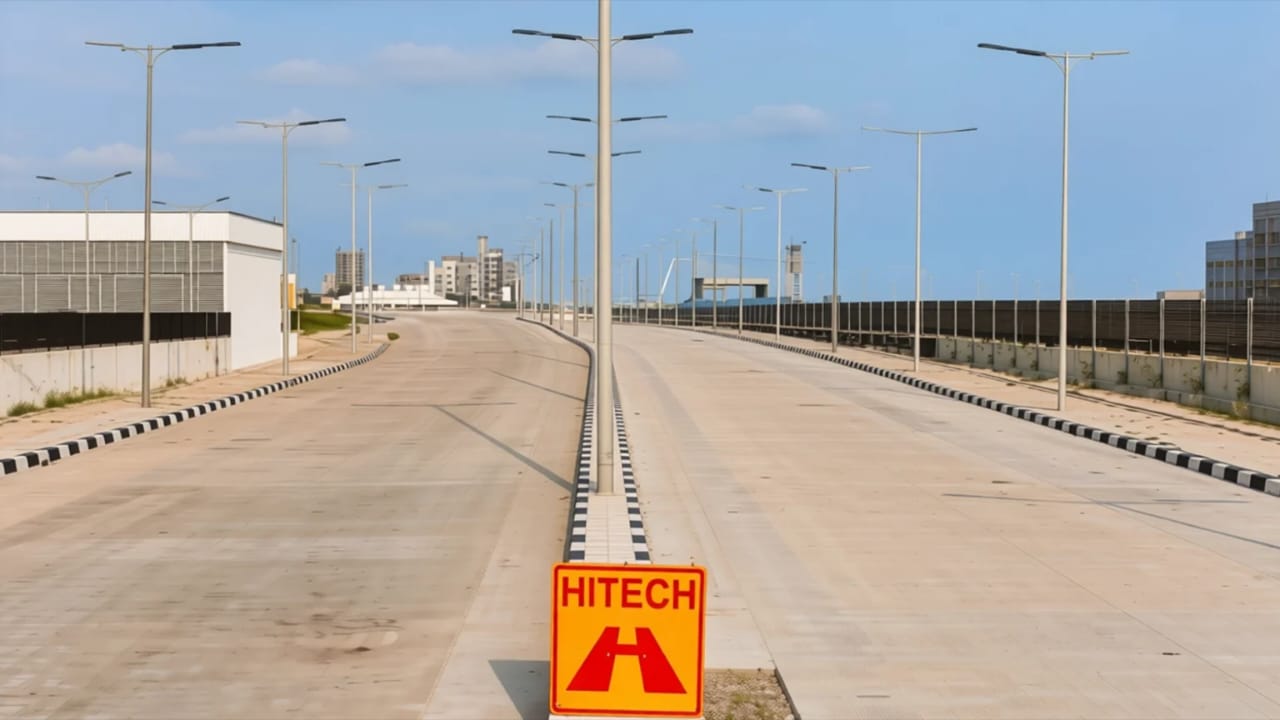
According to the U.S. International Trade Administration, the Kingdom is laying roads, hotels, utilities, and ports at breakneck speed. Concrete doesn’t care how dramatic a skyline is; it cares whether its ingredients hold together.
A Global Warning
Saudi Arabia’s dilemma is a microcosm of a looming planetary crisis. In May 2026, the United Nations Environment Programme (UNEP) warned that global demand for sand is outstripping sustainable supply. The world currently uses roughly 55 billion tons of sand annually—enough to build a wall 27 metres high and 27 metres wide around the entire planet.
UNEP warns that the rush for “good” sand is destroying riverbeds, coasts, and marine habitats, leading to erosion, saltwater intrusion into aquifers, and the collapse of biodiversity.
The Road Ahead
While you cannot turn a smooth dune into a skyscraper foundation, Saudi Arabia is testing alternatives. Riyadh Municipality launched a construction waste recycling initiative in 2025, aiming to turn demolition rubble back into reusable aggregate.

For now, the desert remains a visual spectacle but a structural failure. The grains, it turns out, have a job to do—and smooth talkers need not apply.
—Additional reporting by UNEP