THE United States Supreme Court has delivered a landmark defeat to President Donald Trump’s immigration agenda, ruling on Tuesday that his executive order seeking to curtail birthright citizenship is unconstitutional and void.
In a 6–3 decision, the nation’s highest court held that children born on American soil – regardless of their parents’ immigration status – are entitled to United States citizenship under the Citizenship Clause of the 14th Amendment. The ruling effectively reaffirms a constitutional principle that has stood for more than a century and blocks the administration’s attempt to deny automatic citizenship to newborns whose parents are in the country unlawfully or on temporary visas.
Writing for the majority, Chief Justice John Roberts stated that the language of the 14th Amendment is “unequivocal” and that no executive order can override a clear constitutional guarantee. “The Citizenship Clause speaks in broad, unqualified terms,” the judgment read. “Any attempt to narrow its application through presidential directive exceeds the executive’s constitutional authority.”
The three dissenting justices, all conservative appointees, argued that the amendment’s original intent did not cover children of non-citizens present illegally, but their view failed to command a majority.
‘Victory for Rule of Law’
Reaction to the ruling was swift. Civil rights groups and immigrant advocacy organisations hailed the decision as a victory for justice and the rule of law.
“This is a resounding affirmation that no president, however powerful, can rewrite the Constitution by fiat,” said the American Civil Liberties Union in a statement. “Birthright citizenship is a bedrock of American democracy, and today the court has protected it for generations to come.”
Democratic leaders also welcomed the ruling, with Senate Majority Leader Chuck Schumer calling it “a defeat for xenophobia and a win for every family that believes in the American dream.”
White House Response
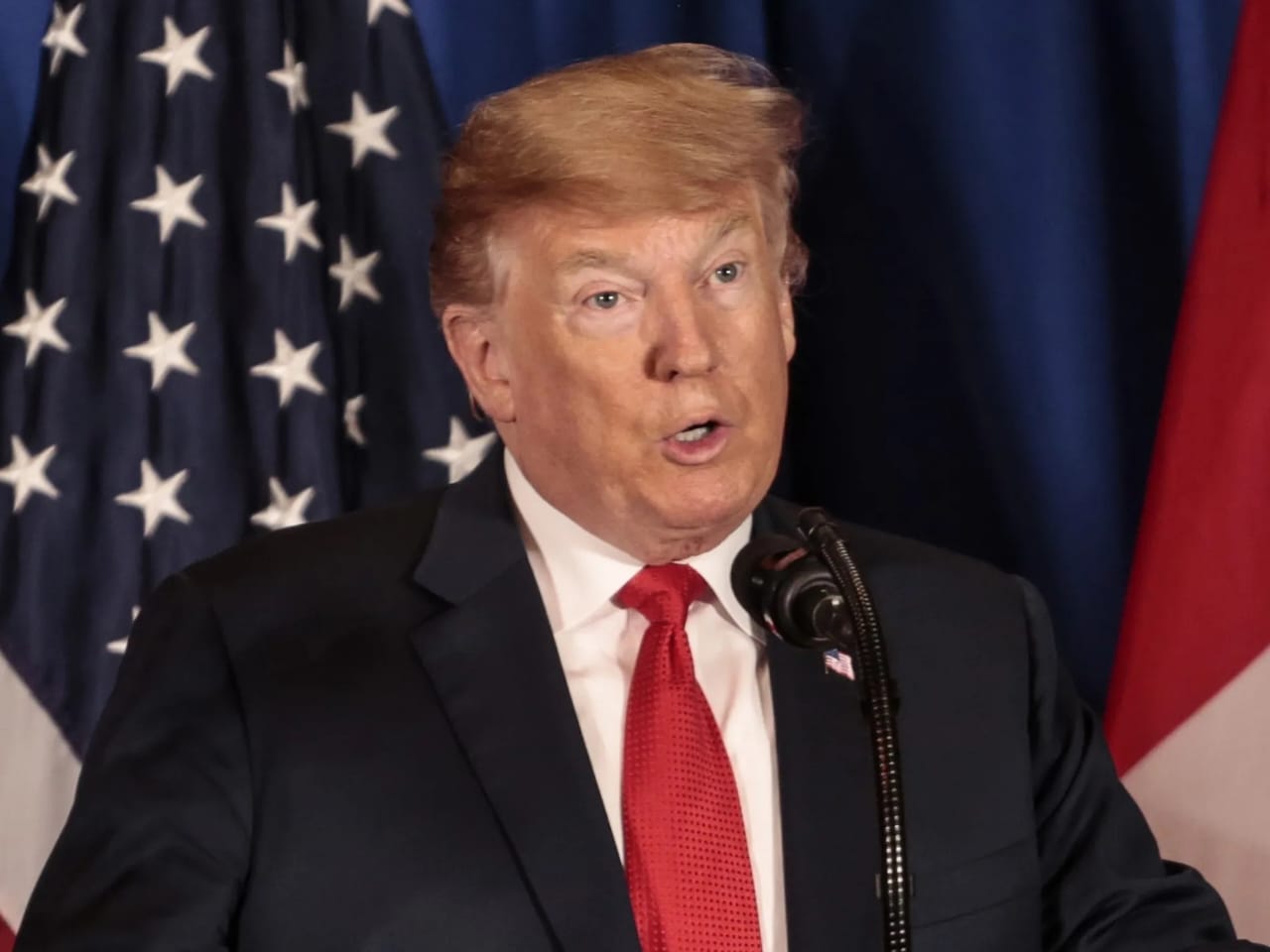
President Trump, who had made the executive order a centrepiece of his hardline immigration policy, expressed disappointment in a post on his social media platform. He described the decision as “deeply misguided” and vowed to continue fighting for what he called “a sensible interpretation” of the Constitution.
“The Radical Left is destroying our country,” the president wrote. “We will take this fight to the people and we will win.”
White House Press Secretary Karoline Leavitt said the administration was exploring all legal options, including the possibility of constitutional amendments or legislative action, though such efforts face steep hurdles in a divided Congress.
Implications for Immigration Policy
The ruling is expected to have far-reaching consequences for immigration policy and future political debates over citizenship. Legal experts note that the decision removes any immediate uncertainty for thousands of families, ensuring that children born to non-citizen parents will continue to receive passports and social security numbers without challenge.
However, the court’s decision does not foreclose congressional efforts to alter the statutory framework governing immigration, though any such legislation would require a constitutional amendment to change the plain meaning of the 14th Amendment – a virtually impossible feat in the current political climate.
The ruling comes amid heightened tensions over border security and asylum policies, and it is likely to feature prominently in the 2026 midterm election campaigns, as both parties seek to mobilise their bases around immigration.
For now, the Supreme Court has drawn a firm constitutional line, reminding the executive branch that even the president is subject to the enduring limits of the nation’s foundational charter.