
By Reuters’ Libby George and Abraham Achirga
GRACE Adama fastens her earrings in her two-room flat, grabs her handbag and steps out into the bustling streets of Abuja for another day of work. The health NGO worker earns 135,000 naira (£99) per month – nearly double the country’s minimum wage – yet she says life grows harder by the day as her salary fails to keep pace with spiralling costs.
“If I’m paid today, my salary stays with me just for one week,” she told Reuters. “If you see the cost of living, house, electricity, everything has gone up.”
For millions across Africa’s largest oil exporter, living standards have crumbled over the past three years as President Bola Tinubu’s government pushed through painful reforms, including the removal of fuel subsidies, devaluation of the naira and cuts to electricity subsidies.
The government and investors insist the reforms were essential to pull Nigeria back from the brink of fiscal crisis and will pay dividends in the long run.
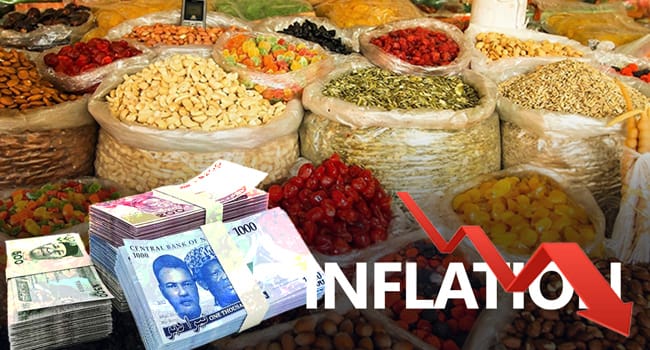
But the immediate reality is stark. According to an index by Lagos-based SBM Intelligence, which tracks the cost of ingredients for the staple jollof rice, it now costs Nigerians more than double what it did when Tinubu took office. Petrol prices have soared sixfold following the scrapping of the subsidy, compounded by a weaker naira and surging global oil prices.
Nigerians Bristle, Investors Cheer Reforms
The World Bank estimates that just over half of Nigeria’s population were living in poverty last year, up from roughly 42 per cent in 2022.
Citizens’ struggles under Tinubu – who has been nicknamed “T-Pain” by some exasperated by rising costs – stand in sharp contrast to growing investor optimism.
“This is the most positive investors have been about Nigeria probably in the last two decades,” said Thys Louw, portfolio manager at investment firm Ninety One. “They’re taking the tough medicine now.”
The chasm between ordinary Nigerians squeezed by costs and booming financial markets adds a new dimension to a country already defined by striking contrasts: glittering, cosmopolitan Lagos versus militant-threatened Maiduguri in the northeast; marble-laden mega mansions alongside tin-roofed shacks housing entire families.
Tinubu must now convince voters that the benefits of the reforms will eventually trickle down to them before elections scheduled for January.
“I can’t even send money to my aged mother at home… I can’t do a lot of things that I used to do before,” Adama said, adding that she had cut meat from her diet and moved to a smaller apartment, yet still relies on short-term loans to pay bills.
Booming Stock Market, Limited Loans
Tinubu’s term followed eight years of unorthodox economic policies under former President Muhammadu Buhari, including import bans to boost local industry, tight currency controls and petrol subsidies. Those measures created shortages of essential imports, made it difficult to access foreign exchange and drained $10 billion from government coffers in 2022 alone.
“We were living in fiscal illusions,” Nigeria’s Finance Minister Taiwo Oyedele told a recent event in Abuja. “We needed to stop deceiving ourselves so the country can move forward.”
Tinubu’s government points to several indicators as evidence that the reforms are bearing fruit: the Nigerian Stock Exchange, up nearly 60 per cent this year; the transfer of oil assets to local companies; and the 2024 opening of the 650,000-barrel-per-day Dangote oil refinery just outside Lagos.
Capital inflows into Nigeria hit a six-year high of $23 billion last year, according to the National Bureau of Statistics, reflecting renewed investor confidence.
However, fewer than 5 per cent of Nigerian adults invest in capital markets, according to the Nigerian bourse, and the inflows are concentrated in “hot money” – short-term Treasury bills and other financial assets that investors can quickly sell if trouble looms.
Businesses and individuals continue to struggle for affordable loans, with the central bank’s key interest rate at 26.5 per cent as it battles near-16 per cent inflation.
Petrol prices nationally average roughly 1,600 naira (£1.18) per litre – lower than in neighbouring Ghana and Ivory Coast, but still too high for many who had grown accustomed to years of cheap fuel as their primary government benefit.
“The solution for me is for government to bring the fuel price down,” said Lagos food seller Eji Uchenna. His customers can no longer afford to buy in bulk.
Sitting on Gunpowder
In June, federal workers rejected a proposed 100,000 naira minimum wage, threatening an indefinite nationwide strike. A June voter sentiment tracker by SBM Intelligence also showed that 80 per cent of Nigerians view the country as moving in the wrong direction.
Security remains a top concern, with kidnapping rife across many states.
Still, SBM’s Chief Executive Cheta Nwanze said the anger would not necessarily unseat Tinubu given a fragmented opposition.
“The opposition is disunited, and the only way the opposition beats Tinubu is if they are united,” Nwanze said.
Louw said that if the government sticks with its policies, workers should begin to benefit as inflation falls, allowing lower interest rates.
Oyedele acknowledged that the government must do more to ensure “prosperity for all Nigerians”.
“When inequality persists, it becomes dangerous. It’s like sitting on gunpowder; it explodes.”