
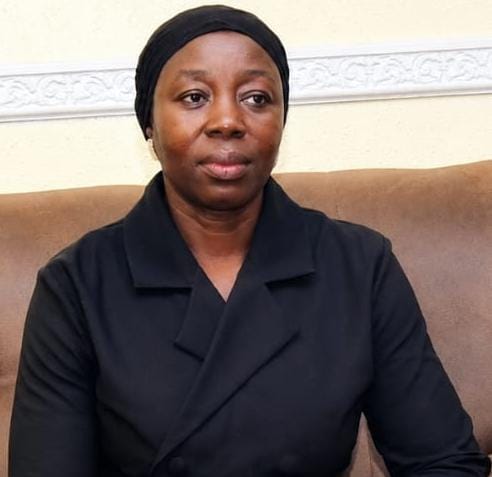
By Funke Alao, Esq
MARRIAGE under Nigerian Native Law And Custom is one of the oldest and most widely practised forms of marriage in Nigeria today, yet many people are uncertain about its nature, legal implications and what really makes customary marriage valid under Nigerian law.
Most questions people often ask are:
- What is a traditional marriage introduction?
- Whether the payment of bride price (dowry) alone constitutes a valid marriage under Nigerian native law and custom?
- Must customary marriage be registered to be valid?
- What legal rights and obligations arise under such marriage?
- Can a man and a woman who have co-habited for a long time be regarded as being married under Nigerian native law and custom?
This article seeks to address these questions by examining the nature, validity, requirements and legal consequences of customary marriage under Nigerian native law and custom.
Customary marriage, often referred to as traditional marriage in Nigeria, is a marriage celebrated in accordance with the native law and custom of the couple or their communities.
It is a union between a man and a woman that requires the consent of their families. This form of marriage allows a man to marry more than one wife.
Customary or traditional marriage is different from what is commonly known today as court or registry marriage, which is a monogamous marriage.
Nigeria is a multi-ethnic society with different traditional rites and ways of celebrating marriages, cutting across one community to another. As long as these traditional rites are not repugnant to natural justice, equity and good conscience, they are valid marriages under our law.
Requirements of a valid marriage under Nigerian native law and custom include family consent, consent of the bride in same customs, and payment of bride price or dowry.
Payment of bride price is mandatory and a symbolic act of bond between the two families; it is considered the backbone of a valid customary marriage in most communities in Nigeria.
Among some communities like the Igbo and Yoruba ethnic groups, items such as kola nuts, yams, palm oil, salt, clothes, palm wine or modern drinks and boxes have now formed parts of the bride’s dowry requested from the groom’s family.
The handing over of the bride to the husband’s family in the presence of both families usually marks the conclusion of the traditional rites in many Nigerian societies.
Many couples in Nigeria now choose to celebrate their marriages in places of worship or churches after their traditional marriage rites. If the church is licensed to issue marriage certificates under the Marriage Act and the couple agree to it, the marriage then assumes the status of a statutory marriage.
Modern couples are also at liberty to celebrate their marriages at the marriage registry or social welfare centres within their state of origin or wherever they reside at the time of their marriage, thereby fulfilling the requirements of those forms of marriage as well.
It must be noted that marriage conducted under the Marriage Act after traditional marriage rites becomes statutory and monogamous in status. Any of the couple who conduct another marriage during the pendency of the current one is guilty of the offence of bigamy.
It is, however, not compulsory for a customary marriage to be registered or celebrated in a church or marriage registry to be valid. A customary marriage is valid if it is conducted in accordance with the applicable native law and custom.
The choice and decision of the couple will largely determine the kind of marriage they enter into. Payment of bride price alone does not constitute a valid customary marriage; it must be accompanied by other traditional requirements earlier mentioned in this article.
Traditional marriage introduction is a preliminary meeting between the families of the couple where the requirements of the customary marriage are agreed upon. One of the husband’s primary responsibilities in a customary marriage is to provide for the maintenance and welfare of his wife and children, although the rights and obligations of the couples may differ according to the native law and customs of a particular community.
Long-term cohabitation of a man and a woman does not automatically create a valid customary marriage. Evidence of valid requirements of native law and custom must be satisfied, but children born into such a relationship are considered legitimate under Nigerian law.
Dissolution of marriage under Nigerian native law and custom is governed by the custom and tradition of a particular community. In most traditional communities, families of the couples usually encourage the couple to reconcile their differences instead of seeking dissolution.
In some communities, customary marriage can be dissolved by formal declaration in the presence of family members or their representatives; some cultures may require the return of the bride price, but there is no uniform applicable procedure in Nigeria.
Any of the couple is at liberty to approach a customary court, such as an area court, within the jurisdiction where their marriage was conducted to institute an action for dissolution of marriage. The grounds upon which the court usually grants the petitioner’s prayers for dissolution of marriage include:
- Infidelity
- Desertion or abandonment
- Cruelty
- Infertility in some customs
The court will, in most instances, grant the dissolution if it is convinced by the evidence adduced by the petitioner and respondent that the marriage has broken down irretrievably.
In most traditional cultures in Nigeria, children belong to their father and his family. Custody of the children after dissolution was always in his favour, but that has changed today because our laws have evolved over the years.
Custody can now be awarded to the mother, especially when the children are still of tender age and cannot live without her care. Joint custody can also be awarded depending on the evidence presented before court during the hearing of the petition.
The guiding principle of the law is “what is in the best interest and welfare of the child or children”, not the customary concept of “the father takes it all” as it then was. The court can also grant an order for the bride price to be returned to the man if the particular customs stipulate it for valid dissolution of marriage.
Understanding the concept and nature of marriage under Nigerian native law and custom is important because it helps individuals appreciate the cultural and legal responsibilities that come with it.
As Nigerian society continues to evolve, proper knowledge of customary marriage can also help reduce misconceptions and ignorance.
Funke Atinuke Alao, Esq., a Lawyer and Upper Area Court Judge, writes from Lokoja, Kogi State, Nigeria.