By Lasisi Olagunju
I hope I won’t land in trouble if I interrogate the various reasons people go on pilgrimage to Saudi Arabia and Jerusalem. Some go to pray; some to play; some to meet and do dirty politics; some to commit crime; some with their mistresses; some for medical treatment; some to japa.
The Northern Nigeria Annual Report for 1906–1907 recorded William P. Hewby, the Resident of Borno Province, observing a steady flow of some 5,000 people travelling eastwards to Mecca. “Not half of them return,” the colonial officer wrote. The report called those people “pilgrims, or so-called pilgrims” and added that “ a large percentage (of them) are Hausas and Fulani malcontents, of whom we are well rid.” They were checking out not really to do Hajj, but to escape from the burden of tax placed on them by the authorities. The colonial rulers were not bothered that they were leaving.
An elephant is beyond “I glimpsed something”; if we have seen an elephant, let us say so. The colonial government evidently considered this “steady flow” of their subjects no passing matter: it made it the opening paragraph of the Borno section of its 1906–1907 report.
So, what became of those who went and never returned? On 14 June 1958, The Nigerian Citizen newspaper carried a front-page report of a planeload of destitute Nigerian pilgrims repatriated from Saudi Arabia to Kano. Among them was a certain woman, Hajia Rakia of Danbatta, Kano Province, who had left Nigeria with her husband in 1925. The couple had made the “long and arduous journey on foot, alone, carrying their scanty possessions and precious store of water on donkey back.” They completed the Hajj but stayed on.
Yet, unlike Rakia, some go and return; but while going, they took detours before attending to the religious purpose of their journey. In 1921, the Emir of Katsina, Muhammadu Dikko, went on the Hajj by way of England rather than overland across the desert like ordinary believers did. Historian Matthew M. Heaton, said Emir Dikko travelled by train from Kano to Lagos, then boarded a passenger liner to Liverpool. He spent several weeks in England and met King George V, becoming the first Nigerian emir to have a direct audience with a British monarch. Only then did he turn east towards Mecca.
Today, some Nigerian leaders undertake pilgrimages with itineraries and timing that leave room for questions about where devotion ends and the business of politics and medicals begin.
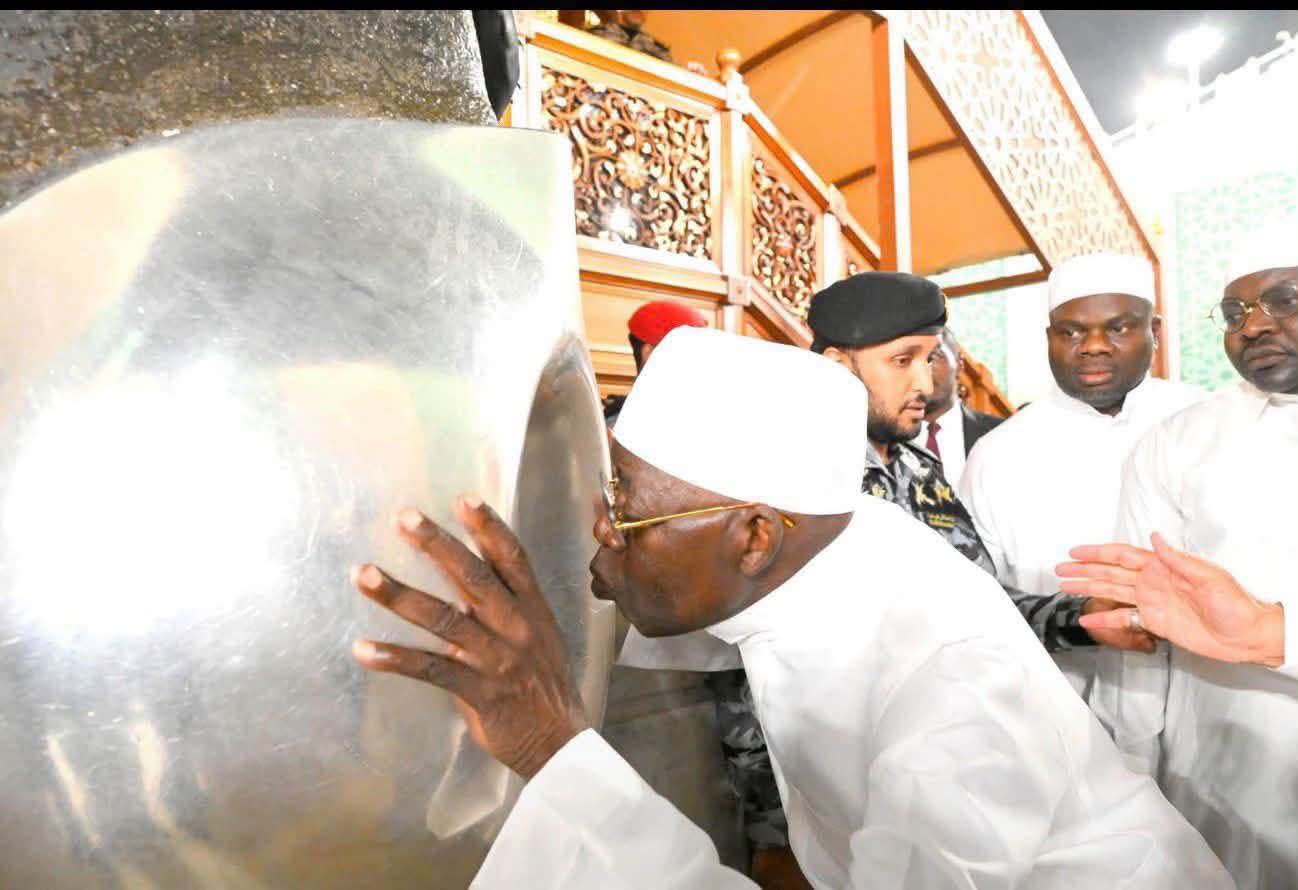
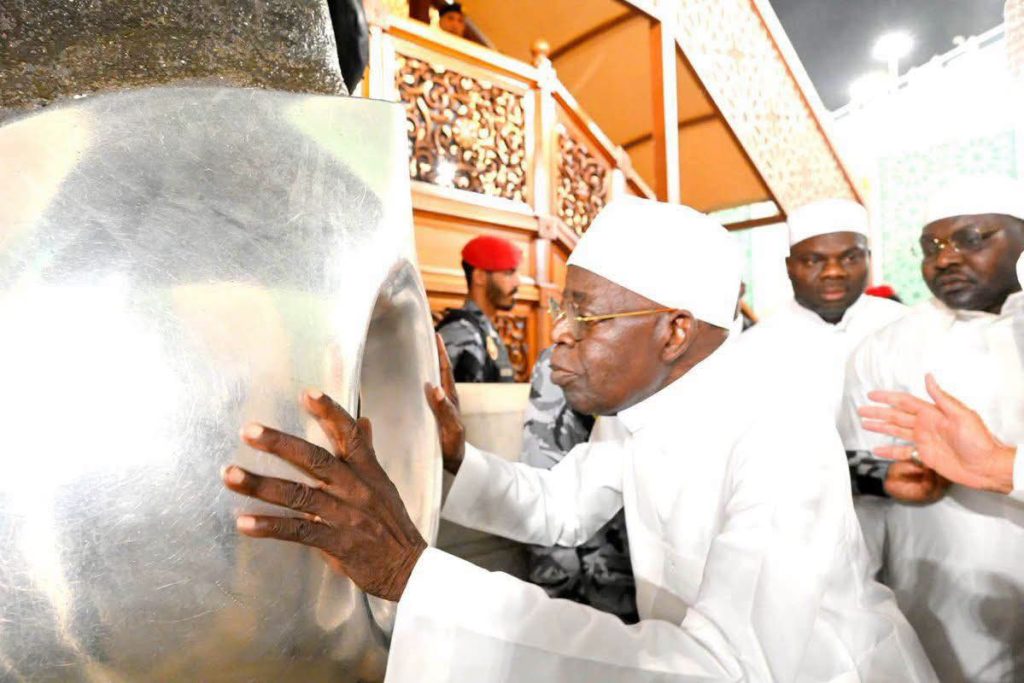
President Bola Tinubu last week travelled to perform Umrah, the lesser Hajj. A statement from his office said the visit would provide the 74-year-old president with an opportunity for “spiritual reflection, devotion and prayers for Nigeria’s peace, unity, stability and continued progress.”
René Descartes teaches us to approach every task with doubt. Besides, seeing someone in public is not the same as following them home. Our president’s enemies wanted to look beyond the announced purpose of the pilgrimage. They suspected a political or medical mission, perhaps even a detour to an undisclosed destination. One of them, Atiku Abubakar, demanded photographic proof. And he got still and moving pictures from the president.
On Friday October 30, after completing the Umrah, the president announced: “I feel fulfilled.” Channels Television quoted him as describing the exercise as a spiritual experience and an opportunity to pray for Nigeria: “It’s a spiritual thing for me and the country, Nigeria. I’m grateful to Allah for this opportunity.”
In John Bunyan’s ‘Pilgrim’s Progress’, we see the pilgrim journeying towards salvation. What if I ask: What destination did our president’s pilgrimage promise a country perennially burdened by hunger and fear?
If I had had the opportunity, I would have asked the president what specific prayer he said for Nigeria. A prayer for leadership that cares? A prayer against electoral heist next year? A prayer for the hungry to have something to eat; for the satiated to be satisfied; and for our giants to take their boots off the nation’s face? What were the prayer points?
(Published in the Nigerian Tribune on Monday, 2 November, 2026)