By Walshak John Samuel
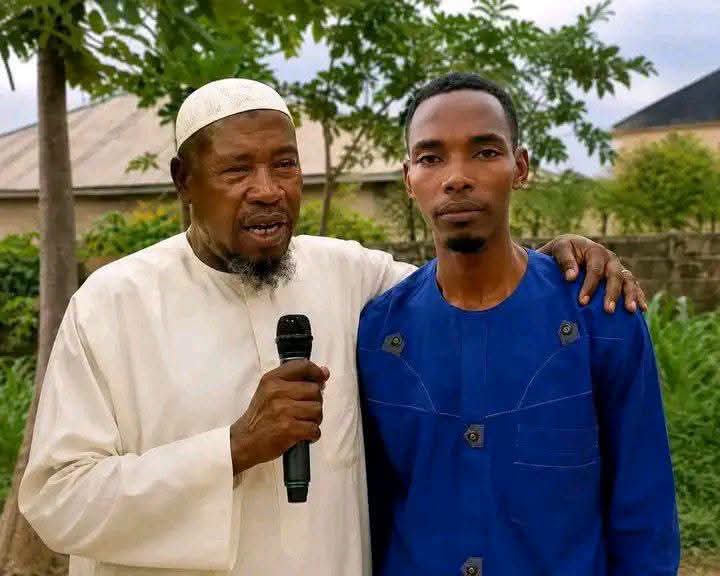
THE reported decision of Ibrahim Nura Khalid, son of prominent Islamic scholar Sheikh Nura Khalid, to renounce Islam and embrace Christianity is not a story that should simply be celebrated by one side and condemned by the other.
It deserves a serious national conversation.
According to reports, Ibrahim said he studied both the Qur’an and the Bible before reaching his decision. He reportedly cited what he considers Christianity’s emphasis on peace and freedom of personal choice as part of the reasons for his conversion.
Now, here is the uncomfortable question:
If the son of an Islamic scholar can grow up within an Islamic environment, study Islam, examine Christianity and eventually choose Christianity, what does that tell us about the difference between inherited faith and personal conviction?
Are most people religious because they have independently examined their faith, or simply because they were born into it?
If a Muslim family raises a child, does that child automatically owe Islam lifelong allegiance?
If a Christian family raises a child, does that child automatically owe Christianity lifelong allegiance?
And if the answer is yes, then what exactly happens to freedom of conscience
Let us go even deeper.
If your religion is the truth, should you be afraid of questions?
If someone leaves Islam for Christianity, should we condemn the person?
If someone leaves Christianity for Islam, should we condemn that person?
If someone studies both and rejects both, should we threaten that person?
Or should we accept that faith, ultimately, is a matter of personal conviction?
This is where religious hypocrisy must be confronted.
Many people loudly defend freedom of religion when someone converts into their religion. Yet the same people suddenly become defenders of punishment, intimidation and condemnation when someone walks away from it
Do we genuinely believe in freedom of religion, or do we only believe in freedom to agree with us?
That is the question.
I am not declaring Islam false.
I am not declaring Christianity superior.
I am not asking anybody to abandon their faith.
I am asking a question that religious societies must have the courage to answer:
Can genuine faith survive honest examination?
And if it cannot survive questions, perhaps the problem is not the question.
Perhaps the problem is our fear of the answer.
This case should therefore not become another opportunity for Muslims and Christians to insult one another.
It should become an opportunity to examine something much deeper:
Are we raising believers, or are we merely reproducing believers?
There is a difference.
A person who believes because he has never been allowed to question may have inherited a religion.
A person who has questioned, investigated, studied and still believes has arrived at conviction.
That distinction matters.
So I want to hear from Islamic scholars.
I want to hear from Christian scholars.
I want to hear from parents.
I want to hear from young Nigerians.
And I want to hear from those who believe a person should never leave the religion into which he or she was born.
What happens when freedom of conscience collides with inherited religion?
This is no longer just about Ibrahim Nura Khalid.
This is about whether Nigerians truly believe that an adult has the right to choose what he believes about God.
Let the debate begin.
But let it be a debate of ideas, evidence and conviction not threats, insults or religious intimidation.