
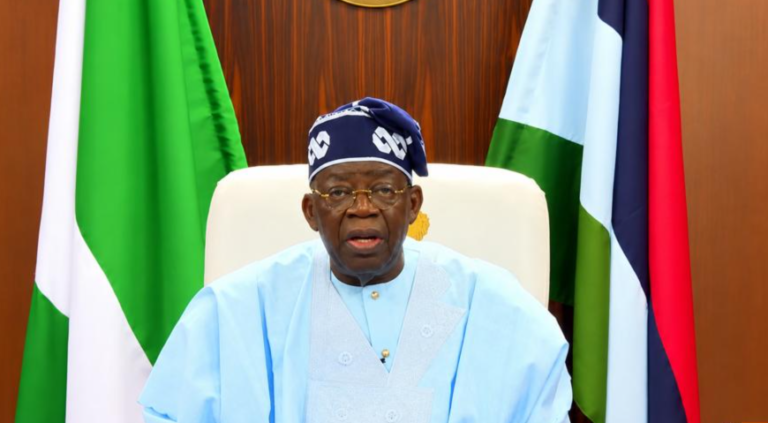
Ebenezer Adurokiya, Reporting
- NIGERIA has corrected its economic course, Tinubu said, after three years of difficult reforms.
- The economy grew by over 4 per cent this year, according to the President.
- Inflation has fallen substantially from its previous peak, Tinubu said.
- Foreign reserves have been rebuilt, while the foreign exchange market has stabilised.
- Non-oil exports exceeded $6 billion in 2025, described by Tinubu as Nigeria’s highest-ever figure.
- Oil theft has declined, according to the President.
- The era of emergency economic reforms is over, with government now shifting its focus towards prosperity.
- Reducing the cost of living is a major priority, with emphasis on lowering production and transportation costs.
- Agriculture will receive greater attention, including mechanised irrigation, dry-season farming, improved seeds, fertiliser and storage.
- Infrastructure investment will continue, particularly roads, railways and ports linking farms, factories and markets.
- Job creation and industrial growth are central priorities, especially for Nigeria’s large young population.
- Government plans to use gas to power new industries and support the revival of factories.
- Digital connectivity and skills development will be expanded to help young Nigerians participate in the modern economy.
- Social support programmes will continue, including assistance for vulnerable households, student loans and consumer credit.
- Tinubu declared that the “age of reform” has given way to an “age of prosperity”, urging Nigerians to move forward without looking back.