Ebenezer Adurokiya, Reporting
THE Centre for Community Law has filed a human rights action before the ECOWAS Community Court of Justice, challenging Nigeria’s maternity protection laws and seeking stronger safeguards for pregnant women and nursing mothers across the formal and informal sectors.
The Centre, in a statement issued on Friday, October 2, said Nigeria’s maternity protection framework had long been criticised as outdated, discriminatory and inconsistent with international standards.
The suit, Incorporated Trustees of the Centre for Community Law v. Federal Republic of Nigeria, filed as Suit No. ECW/CCJ/APP/36/26, has been described by the Centre as one of the most comprehensive public interest litigation cases brought before the ECOWAS Court on gender equality, labour rights and reproductive justice.
At the heart of the action is Regulation 100218 of Nigeria’s Civil Service Rules (2009), which deals with the relationship between annual leave and maternity leave.
The Centre said the regulation could result in pregnant women losing part of their maternity leave or being denied pay where annual leave had already been taken earlier in the year.
The organisation also challenged Section 54 of the Nigerian Labour Act, which permits employers to pay women 50 per cent of their wages during maternity leave.
According to the Centre, the provision allows the reduced payment notwithstanding laws governing the fixing and payment of minimum wages.
It argued that the provisions were inconsistent with Nigeria’s obligations under international and regional human rights instruments, including the United Nations Convention on the Elimination of All Forms of Discrimination Against Women (CEDAW), the African Union’s Maputo Protocol and the African Charter on Human and Peoples’ Rights.
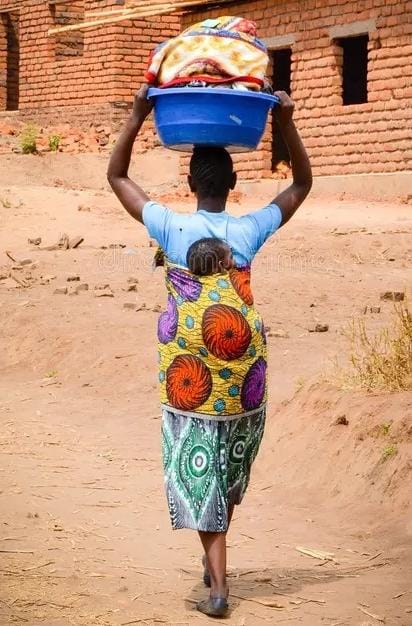
The Centre further raised concerns over the absence of statutory maternity protection for women working in Nigeria’s informal sector.
It said 82 per cent of Nigerian women were employed in the informal sector but lacked legal protection during pregnancy and maternity.
“These women contribute massively to Nigeria’s GDP, yet receive zero maternity protection, income support, or guaranteed access to maternal healthcare,” the Centre said.
It also linked the lack of adequate protection to maternal and infant health concerns, particularly among poorer women who may struggle to access pre- and post-natal healthcare.
The Centre said its case was anchored on Nigeria’s obligations under CEDAW Articles 11 and 12; the International Covenant on Economic, Social and Cultural Rights (ICESCR), Article 10; the African Charter, Articles 2 and 18; the Maputo Protocol, Articles 13 and 14; and the 2015 ECOWAS Supplementary Act, Articles 9, 10 and 20.
It argued that Nigeria’s existing legal framework falls short of these obligations and violates rights relating to equality, dignity, health and non-discrimination.
The organisation is asking the ECOWAS Court to declare that Nigeria must respect, protect and fulfil maternity-related rights and that Regulation 100218 is inconsistent with the country’s international obligations.
It is also seeking a declaration that Nigeria’s failure to provide protection for women in the informal sector amounts to a violation of human rights treaties.
Among the orders sought are directives requiring Nigeria to amend its maternity-related laws, restore annual leave lost under the challenged regulation and introduce stronger safeguards against discrimination.
The Centre is also asking the court to require Nigeria to report back on the implementation of any orders or directives issued.
“This suit is … about millions of Nigerian women,” the Centre said, highlighting women in the civil service who may lose income during maternity leave, women in the informal sector without statutory protection, and women whose reproductive health and economic security may be affected by discriminatory policies.
According to the Centre, the ECOWAS Court has previously affirmed its standing to institute public interest cases, including litigation on behalf of vulnerable groups who may lack the resources to seek judicial redress themselves.
The organisation described the latest case as a potential turning point for women’s rights in West Africa.
It said a successful outcome could lead to reforms of Nigeria’s maternity protection laws, establish a regional precedent for other ECOWAS Member States, strengthen protection for women in both formal and informal employment, contribute to efforts to reduce maternal and infant mortality, and advance gender equality and labour justice.
The Centre said the case was ultimately aimed at bringing Nigeria’s domestic laws into closer alignment with its international commitments and ensuring that women were not disadvantaged because of pregnancy or motherhood.