Ebenezer Adurokiya, Reporting
UGANDAN health authorities have announced a mandatory 21-day quarantine for citizens returning from the Democratic Republic of Congo (DRC), which is currently battling its worst-ever Ebola outbreak.
The Ugandan Ministry of Health confirmed on Sunday that returnees with a history of travel to the DRC would be required to undergo the three-week quarantine period at their own expense. The move comes as the DRC, which shares a border with Uganda, has recorded more than 4,600 deaths since declaring its 17th Ebola outbreak in May.
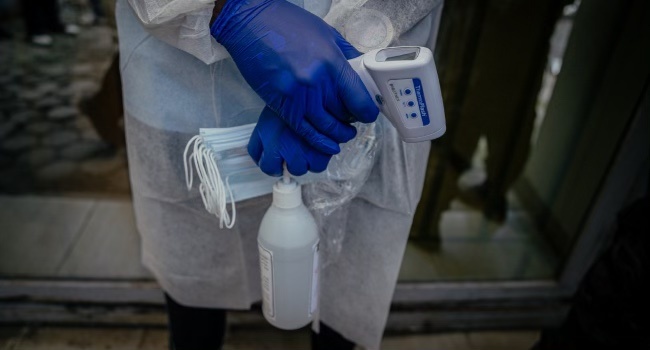
The ministry added that it had “intensified traveller screening at Entebbe International Airport and all land border crossings, supported by screening at designated road checkpoints.”
Ebola is transmitted through contact with bodily fluids and causes severe haemorrhagic fever. The current outbreak is caused by the Bundibugyo strain of the virus, for which there is still no vaccine or specific treatment.
In August, the World Health Organization (WHO) officially declared Uganda Ebola-free after 20 cases, including two deaths, almost exclusively among people who had visited the DRC.
The regional situation has heightened concern across the continent, with Kenya reporting two deaths and Nigeria — Africa’s most populous country — confirming its first case in October. The Nigerian case involved a woman who arrived in the capital, Abuja, on a flight from Uganda.
A Ugandan government spokesperson, Alan Kasujja, rejected suggestions that a patient identified in Nigeria might have contracted the virus in Uganda, describing the notion as “absurd.” He noted that Uganda “incidentally, has no cases of Ebola.”
On Friday, Nigeria’s Coordinating Minister of Health and Social Welfare, Muhammad Pate, said genomic sequencing had revealed a close similarity between the Ebola virus detected in Nigeria and the strain identified in Kenya’s first imported case, with the analysis indicating the two viral samples differ by only a single mutation.
The minister explained that the genomic analysis was conducted through a collaboration between the Nigeria Centre for Disease Control (NCDC) and the African Centre of Excellence for Genomics of Infectious Diseases at Redeemer’s University. He maintained that Nigeria has only one confirmed Ebola case, with contact tracing and laboratory testing continuing.
Meanwhile, the Federal Government said the Ebola patient in Nigeria was showing signs of recovery days after the case was confirmed in the Federal Capital Territory.
The virus has killed more than 15,000 people in Africa over the last 50 years, according to official figures.