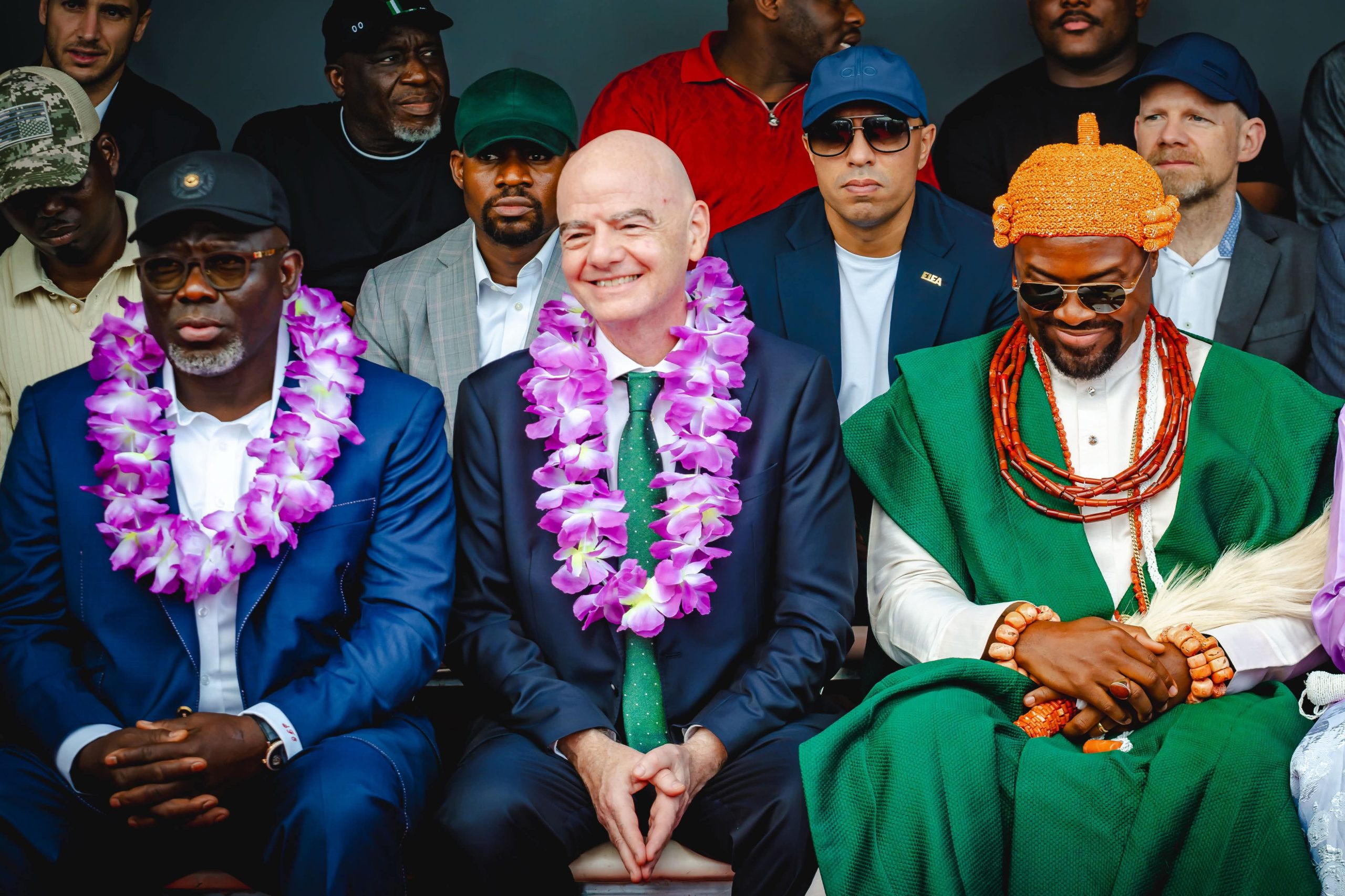
In a dramatic shake-up of Nigerian football administration, Nigeria Football Federation (NFF) President Ibrahim Gusau and several members of the federation’s executive committee have shamefully tendered their resignations.
The mass exodus comes on the heels of twin catastrophes for Nigeria’s flagship national teams—the Super Falcons’ failure to qualify for the 2027 FIFA Women’s World Cup and the Super Eagles’ failure to secure a spot at the 2026 World Cup.
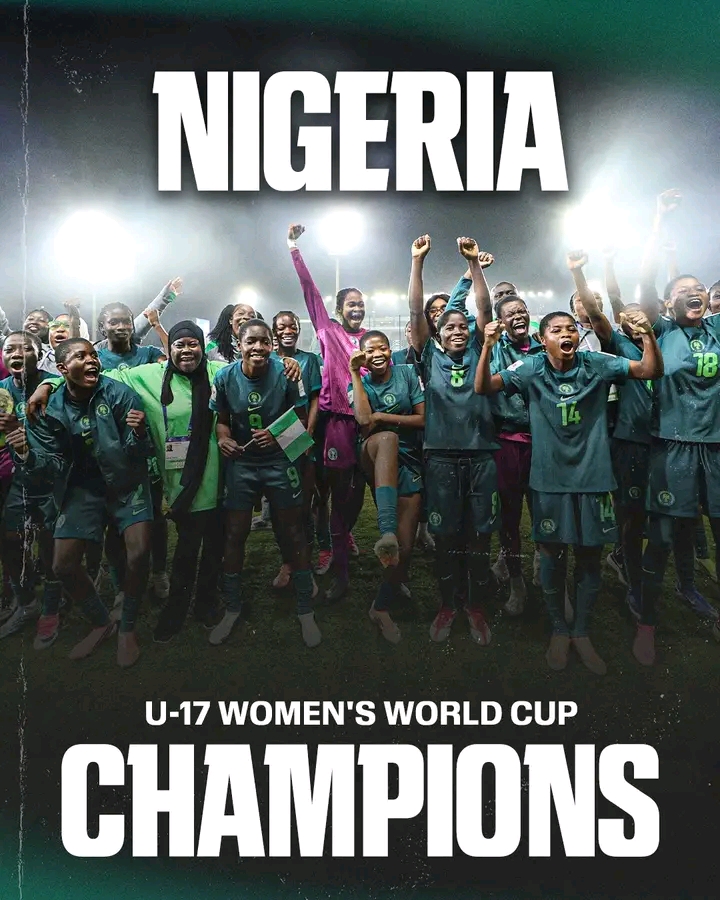
The Super Falcons’ 2-1 playoff loss to South Africa ended Nigeria’s unbroken streak of appearing at every Women’s World Cup since the tournament’s inception in 1991—a record that had stood as a source of national pride for over three decades.
For the men’s team, the pain was equally devastating. The Super Eagles lost their decisive playoff against DR Congo, a match preceded by a player boycott of training over outstanding match bonuses.
The defeat extinguished any hope of featuring in the 2026 World Cup co-hosted by the United States, Canada, and Mexico.
Critics have long pointed to systemic rot across all levels of Nigerian football—from the senior teams to age-grade competitions and domestic leagues. The lack of accountability, they argue, has allowed repeated failures to fester without consequence.
The situation has now drawn the attention of security agencies. The Department of State Services (DSS) is reportedly investigating the utilisation of a ₦17 billion intervention fund approved by the Federal Government in 2024.
The money was intended to clear outstanding wages, bonuses, and other payments owed to national team players and staff. Officials have been asked to produce documentation accounting for how the funds were spent.
The resignations also throw the NFF’s electoral calendar into uncertainty. Elections had been scheduled for September 27 in Lafia, Nasarawa State.
With several board members already having vacated their posts, questions are now being raised about whether the poll can go ahead as planned or whether the federation will be plunged into a leadership vacuum.
As Nigerian football confronts one of its most turbulent periods, the latest developments have placed the governance of the sport firmly under the microscope—with many demanding far deeper reforms than the departure of a few board members can provide.