
PRESIDENT Bola Ahmed Tinubu has approved a sweeping expansion of the Nigerian Army’s structure from eight to twelve divisions, alongside the recruitment of 28,000 additional personnel, in what officials describe as a landmark move to strengthen the country’s national security architecture.
The President, who serves as Commander-in-Chief of the Armed Forces, gave the approval as part of his Administration’s sustained investments in the military, which include the acquisition of critical platforms and equipment, improvements in troop welfare, and ongoing support for operational readiness and force modernisation.
Under the new structure, the Nigerian Army will operate 12 divisions strategically positioned across the country, with new headquarters established in Makurdi, Ilorin, Jalingo and Benin City.
The reorganisation is expected to significantly improve command and control, decentralise operational decision-making, strengthen border security, and enhance the protection of critical national infrastructure.
According to a statement issued by the Special Adviser to the President on Information and Strategy, Bayo Onanuga, the expansion builds on the Administration’s commitment to equipping the Armed Forces to address Nigeria’s evolving security challenges effectively.
“The establishment of the new Divisions in Makurdi, Ilorin, Jalingo and Benin City will significantly improve command and control, decentralise operational decision-making, strengthen border security, enhance the protection of critical national infrastructure, improve counter-insurgency and internal security operations, and ensure faster military response to emerging threats nationwide,” the statement read.
The new divisional structure is as follows:
· 1 Division Headquarters – Kaduna (covering Kaduna, Kano, Katsina and Jigawa States)
· 2 Division Headquarters – Ibadan (Oyo, Osun, Ekiti and Ondo States)
· 3 Division Headquarters – Jos (Plateau, Bauchi and Gombe States)
· 5 Division Headquarters – Makurdi (Benue, Nasarawa and Kogi States)
· 6 Division Headquarters – Port Harcourt (Rivers, Akwa Ibom and Cross River States)
· 7 Division Headquarters – Maiduguri (Borno and Yobe States)
· 8 Division Headquarters – Sokoto (Sokoto, Kebbi and Zamfara States)
· 9 Division Headquarters – Ilorin (Kwara and Niger States)
· 10 Division Headquarters – Jalingo (Taraba and Adamawa States)
· 81 Division Headquarters – Lagos (Lagos and Ogun States)
· 82 Division Headquarters – Enugu (Enugu, Anambra, Abia, Ebonyi and Imo States)
· 83 Division Headquarters – Benin City (Edo, Delta and Bayelsa States)
Implementation of the new force structure will be carried out in two phases.
The first phase, covering the establishment of the 5, 9, and 10 Divisions and the reorganisation of existing formations, is expected to be completed by September 2026.
The second phase, involving the establishment of the 83 Division and further reorganisation, is scheduled for completion by December 2026.
The approval for the recruitment of 28,000 additional personnel is expected to address manpower gaps and bolster the Army’s capacity to respond to emerging threats across the country.
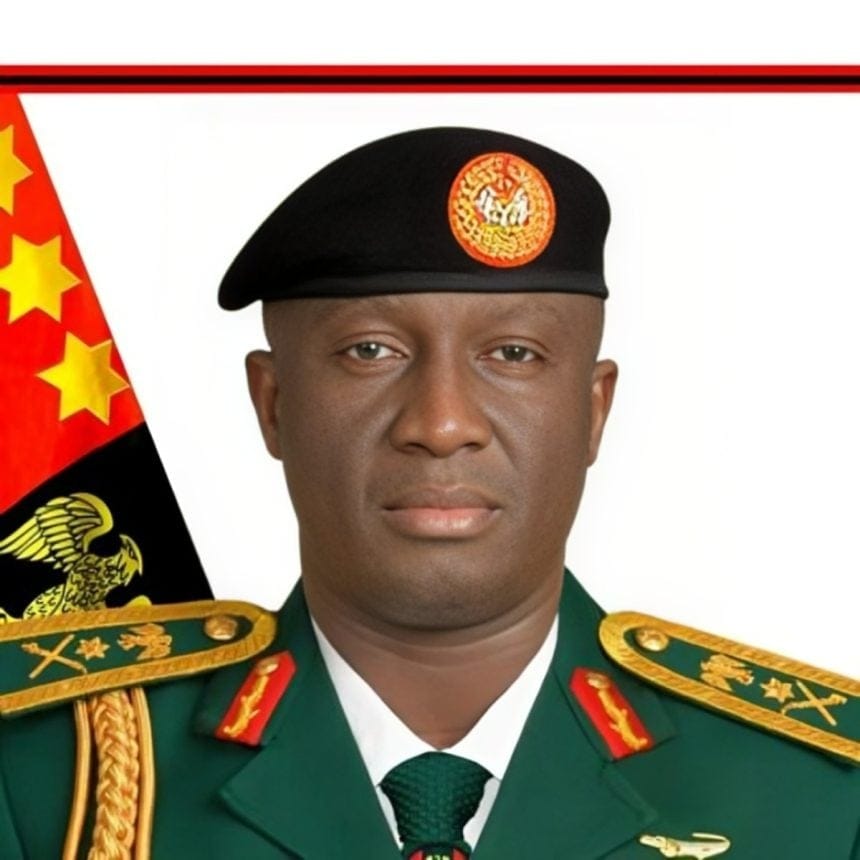
President Tinubu commended the Chief of Army Staff, Lieutenant General Waidi Ibrahim Shuaibu, and all officers and soldiers of the Nigerian Army for their dedication, professionalism, and steadfast commitment to defending Nigeria’s sovereignty and territorial integrity.
The President reaffirmed his Administration’s determination to continue investing in the Armed Forces, ensuring they remain adequately equipped, highly motivated, and fully capable of protecting the nation and guaranteeing the safety and security of all Nigerians.
The expansion represents one of the most significant restructurings of the Nigerian Army in recent history, reflecting the government’s recognition of the need for a more decentralised and responsive military posture in the face of multifaceted security threats ranging from insurgency in the North-East to banditry in the North-West and separatist tensions in the South-East.
Observers have welcomed the move, though some have raised questions about the logistical and financial implications of establishing new divisional headquarters and integrating thousands of new recruits into the force structure.
Defence analysts have noted that the success of the expansion will ultimately depend on adequate funding, proper implementation, and the availability of modern equipment to match the expanded manpower.
The Nigerian Army has yet to issue a detailed implementation timeline beyond the two-phase framework announced by the Presidency.