Agorehmi Bright, Reporting
YENAGOA — The long-awaited construction of the Nembe-Brass road in Bayelsa State has rekindled hopes of improved transportation, job creation and economic prosperity among residents of the riverine communities – but concerns are growing over whether the project will deliver its full benefits to communities along and beyond the main corridor.
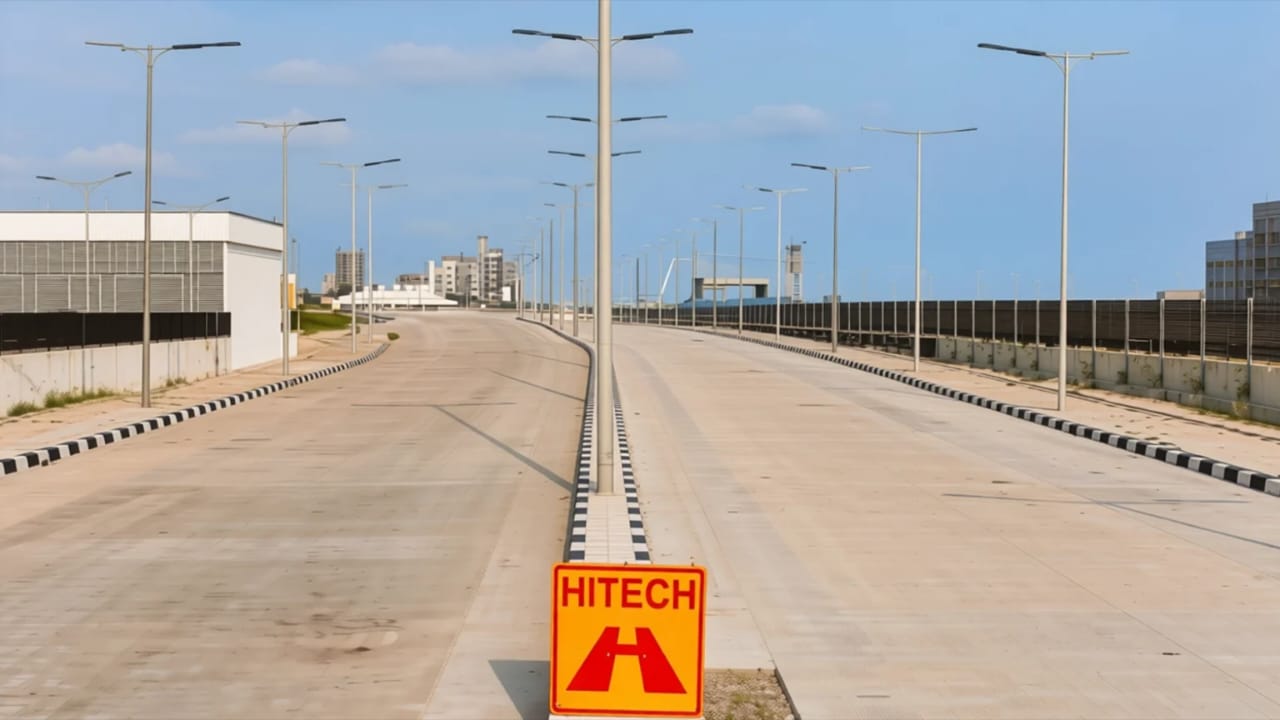
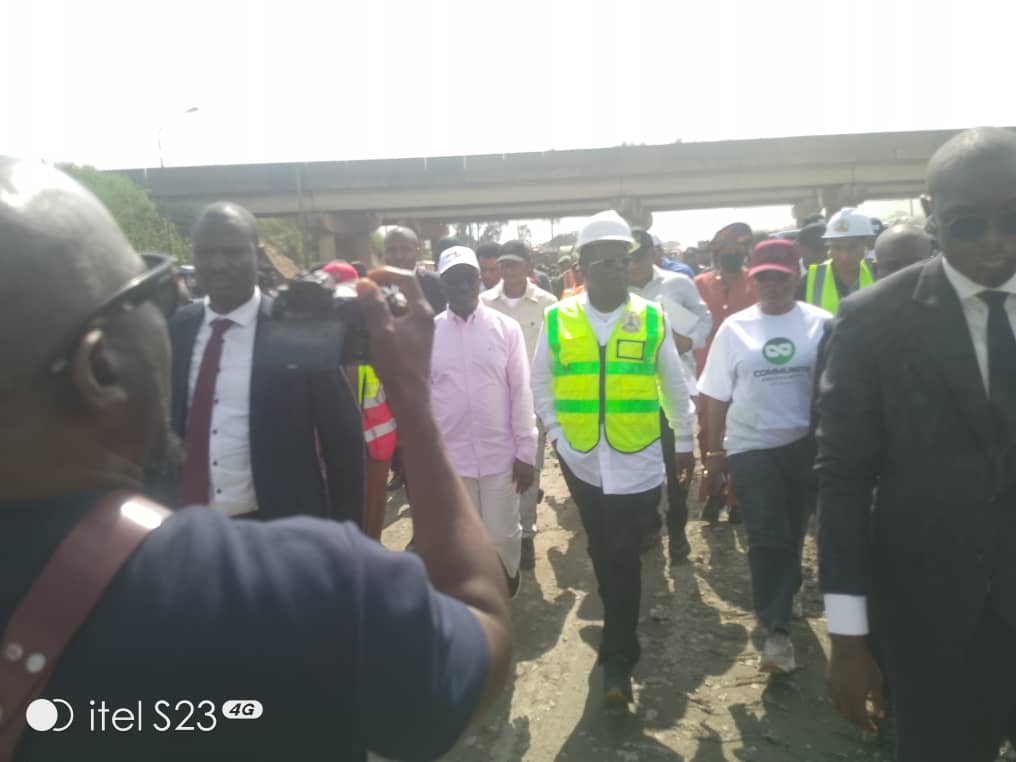
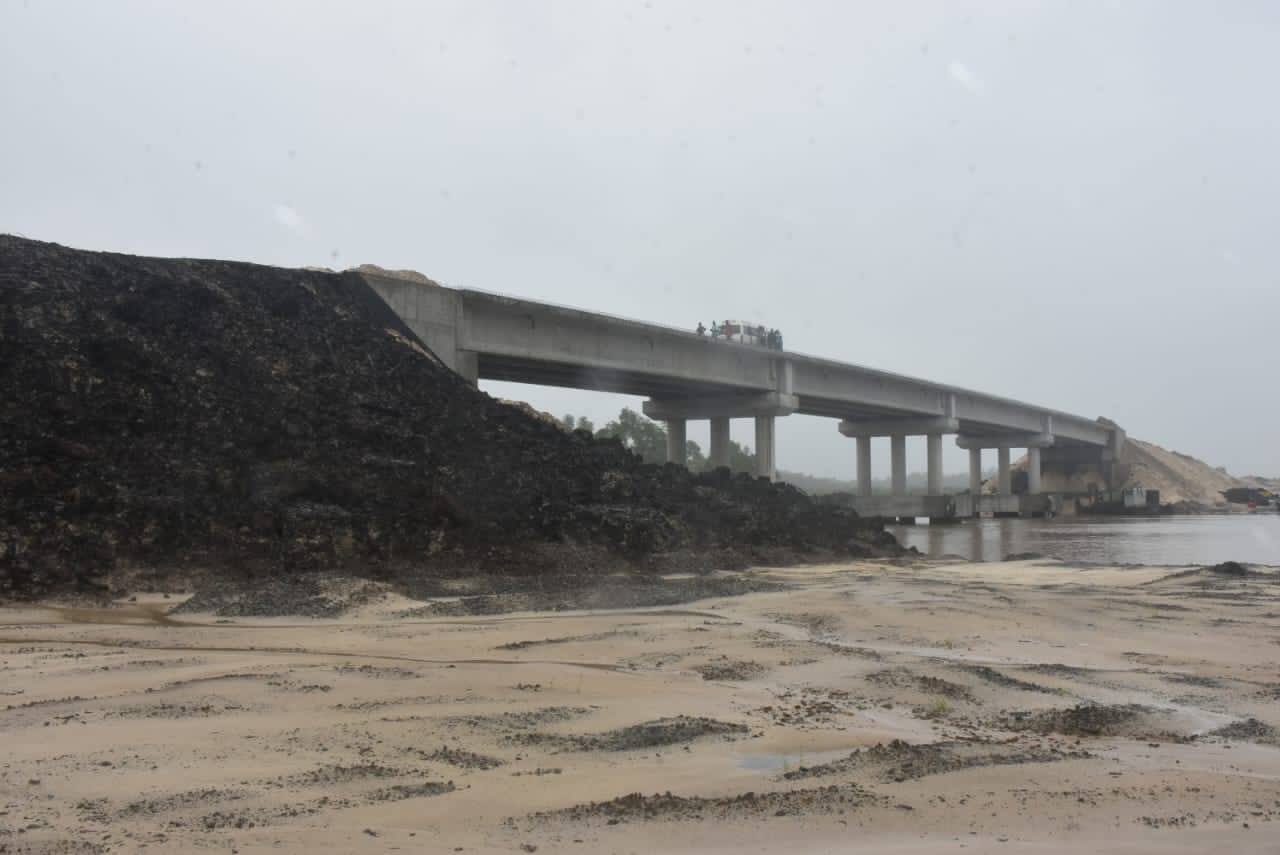
An inspection of the project by members of the Federated Correspondents’ Chapel of the Nigeria Union of Journalists (NUJ), Bayelsa State Council, showed construction activities in progress, including earthworks, bridge construction and other major engineering works.
The construction has also advanced towards the St Nicholas River and the coastal axis, signalling progress on a project that has remained on the drawing board for decades.
The first phase, covering approximately 21 kilometres, is expected to be substantially completed by December 2026, subject to funding, the pace of construction and the complex terrain of the riverine environment.
Traditional Ruler Hails Economic Potential
For the traditional ruler of Moko-Ama in the Sangana/Akassa area of Brass Local Government Area, HRH King Theophilus Moses, the Kenibara VII and Amadabo of Moko-Ama, the road represents far more than a transportation link.
He described it as a potential economic game changer capable of opening up the area’s marine economy, attracting investment and creating employment for youths and other residents.
According to him, the development of complementary marine infrastructure could transform Brass into a potential berthing and refuelling hub for vessels operating along the Atlantic corridor.
He also linked economic development with improved security, arguing that increased employment and legitimate business opportunities could help reduce sea piracy and other criminal activities that have affected communities in the waterways.
Fears of Economic Isolation
However, not all communities are convinced that the benefits of the road will be evenly distributed. An indigene of Sangana, Ayibatonye Koki, expressed concern that communities in the Sangana/Akassa axis could remain economically isolated if they are not adequately connected to the main road corridor.
Mr Koki said residents continued to incur high transportation costs when travelling to Brass despite the relative proximity of the communities, largely because of the waterways separating them.
He urged the government to consider the Oporoma road axis as an alternative route for connecting Sangana and Akassa, arguing that such a route could require fewer major bridges and potentially cost less than crossing some of the larger rivers along the Brass axis.
“It is a very good development to the people of Bayelsa East,” he said, while calling for deliberate measures to ensure that communities outside the immediate road corridor are not left behind.

Optimism for Employment and Security
Similarly, an indigene of Nembe, Janet Tuomote, said the project would provide new opportunities for employment, trade and business expansion.
She expressed optimism that improved road access would also strengthen security operations and contribute to reducing kidnapping, sea piracy and other criminal activities in the area.
A Project Decades in the Making
The Nembe-Brass road has a long and complicated history, with plans for its construction predating the present administration. Previous efforts to execute the project were repeatedly frustrated by funding constraints, the challenging riverine terrain and security concerns.
Governor Douye Diri had disclosed in 2025 that the federal government had awarded the second phase of the project, while further indications of federal government support emerged in 2026.
The ongoing work has therefore generated considerable expectations in Bayelsa East, where residents have long complained about the difficulties and high costs associated with travelling between riverine communities.
The Road Ahead
Yet the approximately 21-kilometre section currently under construction represents only part of the wider Nembe-Brass road corridor. Its progress should therefore not be interpreted as the completion of the entire road project.
For residents, the real test will be whether construction can be sustained until the entire corridor is completed and whether complementary infrastructure is provided to connect communities that could otherwise remain on the margins of development.
As work gathers momentum, residents are calling for sustained funding, greater community engagement and careful attention to environmental concerns associated with construction in the fragile riverine ecosystem.
They also want the government to ensure that the remaining sections are completed, arguing that only a fully connected road network can unlock the broader economic potential of Bayelsa East.